


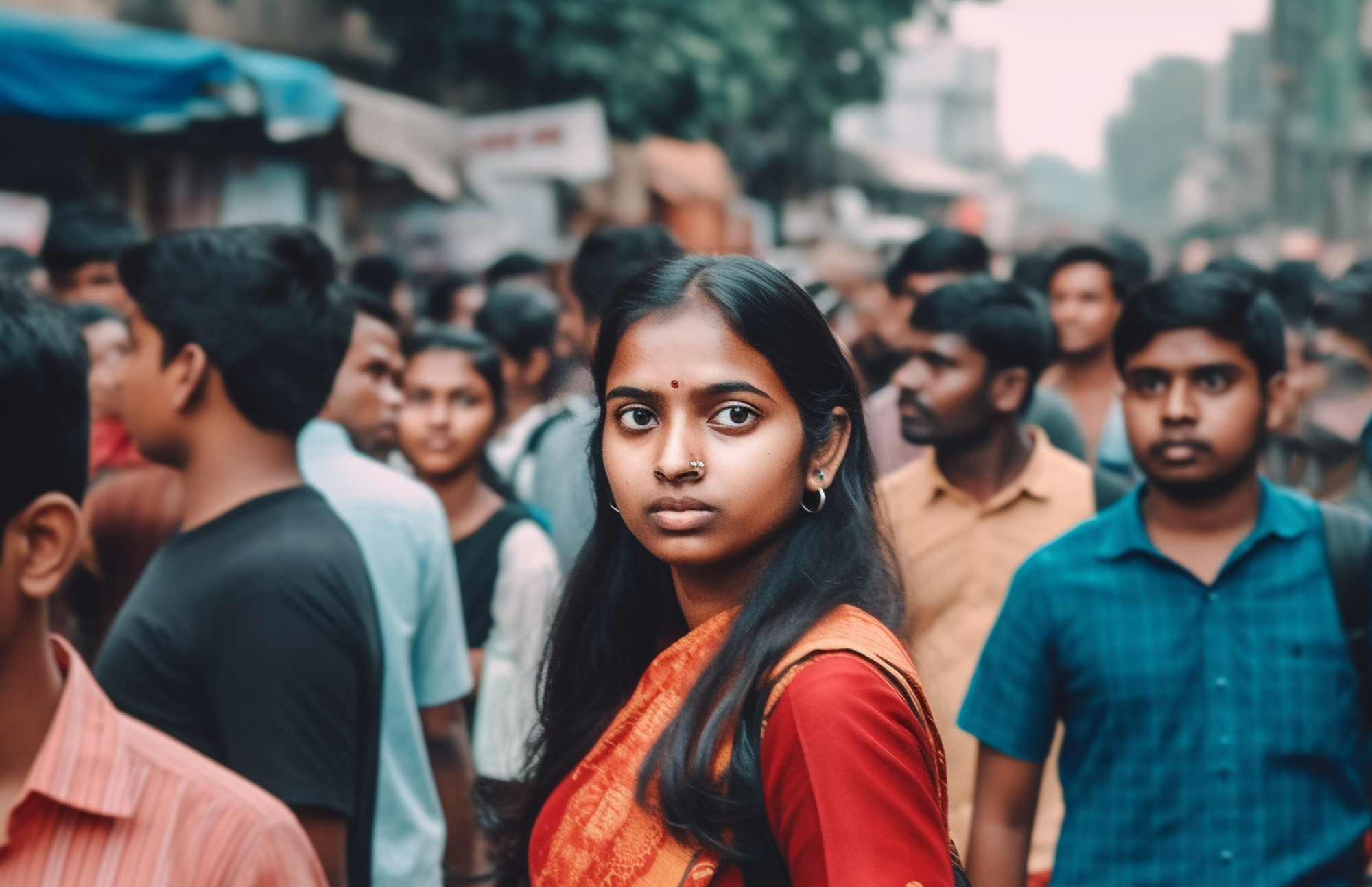
In a country known for its vibrant culture and dynamic development, an underlying darkness remains largely unexplored — social injustices in India. Behind the colourful festivals and bustling cities, marginalised communities struggle to find their voice and fight for their rights. This article, “Breaking the Silence: Shedding Light on Social Injustices in India,” delves deep into the issues plaguing the nation and highlights the urgent need for awareness and action.
From caste discrimination to gender inequality, this article uncovers the layers of social injustice that persist in India. It explores the daily struggles faced by Dalits, women, and religious minorities, shedding light on their experiences and the systemic barriers they face. Through compelling stories and thought-provoking analysis, we aim to ignite a conversation that challenges the status quo and fosters social change.
Join us as we confront the uncomfortable truths and expose the realities of social injustice in India. Together, we can break the silence, inspire empathy, and pave the way for a more inclusive and equitable society.
Types of social injustices prevalent in India
India is a nation that grapples with various forms of social injustice. From caste discrimination to gender inequality, this section uncovers the layers of injustice that persist in the country. Caste discrimination, deeply rooted in Indian society, continues to oppress Dalits, who are considered the lowest caste. Dalits face discrimination in education, employment, and social interactions, perpetuating a cycle of marginalisation. This inequality denies them equal opportunities and deprives them of fundamental human rights.
Gender inequality is another pervasive issue that affects women across India. From limited access to education and healthcare to gender-based violence, women face numerous obstacles in their quest for equality. The prevalence of dowry-related crimes, female infanticide, and honour killings highlights the urgency of addressing gender-based discrimination.
Religious minorities in India also face social injustices. Discrimination against Muslims, Christians, Sikhs, and other religious groups can manifest in various forms, including hate crimes, forced conversions, and marginalisation. These injustices not only violate the fundamental rights of individuals but also threaten the country’s secular fabric.
Impact of social injustices on different communities
The impact of social injustices in India is far-reaching, affecting various communities in different ways. For Dalits, the consequences of caste discrimination are profound. Denied access to education and employment opportunities, many Dalits are trapped in a cycle of poverty. The stigma associated with their caste further worsens their social and economic prospects, leading to a lack of upward mobility. The psychological toll of discrimination also takes a toll on their mental well-being.
Women bear the brunt of gender inequality. Limited access to education and healthcare perpetuates a cycle of dependency, denying them the chance to reach their full potential. Gender-based violence, such as domestic abuse and sexual assault, not only harms individuals but also perpetuates a culture of fear and silence. This hampers the progress of society as a whole.
Religious minorities face discrimination on multiple fronts, impacting their social, economic, and political standing. Hate crimes, exclusion from job opportunities, and unequal treatment in the justice system contribute to their marginalisation. This not only violates their right to equal treatment but also threatens the pluralistic fabric of Indian society.
Factors contributing to social injustices in India
The persistence of social injustices in India can be attributed to various factors that perpetuate inequality and discrimination. Historically, the caste system has played a significant role in perpetuating social hierarchies and discrimination. The rigid social structure and the stigma associated with caste have created a deeply entrenched system of inequality. Despite legal measures to abolish caste discrimination, social attitudes and biases continue to perpetuate these injustices.
Patriarchy and profoundly ingrained gender norms also contribute to social injustices. The preference for male children, limited access to education, and unequal opportunities reinforce gender disparities. Cultural norms and societal expectations often restrict women’s agency and perpetuate gender-based discrimination.
Political factors also play a role in perpetuating social injustices. Ineffective implementation of laws, lack of political will, and corruption hinder progress in addressing social inequalities. The absence of comprehensive policies and strategies to tackle caste discrimination, gender inequality, and religious intolerance further exacerbates the problem.
Historical context of social injustices in India
Understanding the historical context of social injustices in India is crucial for a comprehensive understanding of the issue. The caste system, an ancient social hierarchy, has its roots in ancient texts and religious beliefs. The system divides society into four main castes, with Dalits relegated to the lowest position. While efforts have been made to challenge and dismantle the caste system, its deep-rooted nature makes it a formidable challenge to overcome.
Gender inequality can also be traced back to centuries of patriarchal norms and practices. Historical accounts depict the subjugation of women, denying them equal rights and opportunities. The struggle for women’s rights and gender equality continues today, with progress being made but much work left to be done.
Religious conflicts and tensions have marred India’s history, with instances of discrimination and persecution against religious minorities. The legacy of these historical events continues to shape the country’s social fabric, influencing the dynamics of social injustices today.
Initiatives and movements against social injustices
Despite the challenges, several initiatives and movements have emerged to combat social injustices in India. These efforts raise awareness, challenge societal norms, and advocate for change.
Social activists and organisations, such as the National Campaign on Dalit Human Rights and the All India Democratic Women’s Association, work tirelessly to address caste discrimination and gender inequality. They strive to create a more inclusive and equitable society through advocacy, grassroots mobilisation, and legal interventions.
The rise of social media has also provided a platform for individuals to share their experiences and amplify marginalised voices. Hashtags like #DalitLivesMatter and #MeTooIndia have sparked conversations and exposed the extent of social injustices. This online activism has been crucial in raising awareness and mobilising support for change.
Role of media in highlighting social injustices
The media plays a vital role in highlighting social injustices in India. The media brings attention to marginalised communities and their struggles through investigative journalism, documentaries, and news reports.
Journalists and news organisations have the power to shape public opinion, challenge biases, and hold those in power accountable. By giving a voice to the voiceless, the media can spark conversations and inspire action. However, it is essential for the media to remain unbiased, ethical, and sensitive in their reporting to avoid further marginalisation or perpetuation of stereotypes.
Ways to support and create awareness about social injustices in India
Creating awareness and supporting initiatives addressing social injustices in India is crucial in fighting for equality and justice. Educating oneself about various social injustices is the first step towards creating awareness. Reading books, watching documentaries, and engaging with diverse perspectives can provide valuable insights into the lived experiences of marginalised communities.
Supporting organisations and initiatives that work towards social justice is another way to make a difference. Donating to organisations, volunteering time and skills, or participating in awareness campaigns can contribute to the collective effort of creating a more inclusive society.
Engaging in conversations with friends, family, and colleagues about social injustices can also foster empathy and understanding. Individuals can change societal attitudes and norms by challenging biases and stereotypes.
Government policies and interventions addressing social injustices
The Indian government has implemented various policies and interventions to address social injustices. However, the effectiveness of these measures varies, and there is still much work to be done. Reservation policies, such as affirmative action for Dalits and other marginalised communities, aim to provide equal opportunities in education and employment. These measures have had a positive impact, but challenges persist in ensuring proper implementation and reducing social stigma.
Legislation against gender-based violence, such as the Protection of Women from Domestic Violence Act and the Sexual Harassment of Women at Workplace Act, provide legal recourse for victims. However, gaps in implementation, inadequate support systems, and societal attitudes hinder the effectiveness of these laws.
The government’s efforts to promote religious harmony and protect the rights of religious minorities are reflected in constitutional provisions and laws. However, incidents of religious intolerance and discrimination continue to challenge the notion of a secular and inclusive India.
Conclusion: Working towards a more inclusive and just society
Breaking the silence on social injustices in India is essential for creating a more inclusive and just society. By shedding light on marginalised communities’ issues, we can challenge the status quo and inspire empathy and action. To address social injustices, it is crucial to recognise the various forms of discrimination, understand their impact on different communities, and address the underlying factors perpetuating inequality. Progress can be made towards a more equitable and inclusive India through initiatives, movements, and government interventions.
Let us break the silence, ignite conversations, and work towards a society where everyone is treated with dignity, respect, and equality.

Leave a Comment