


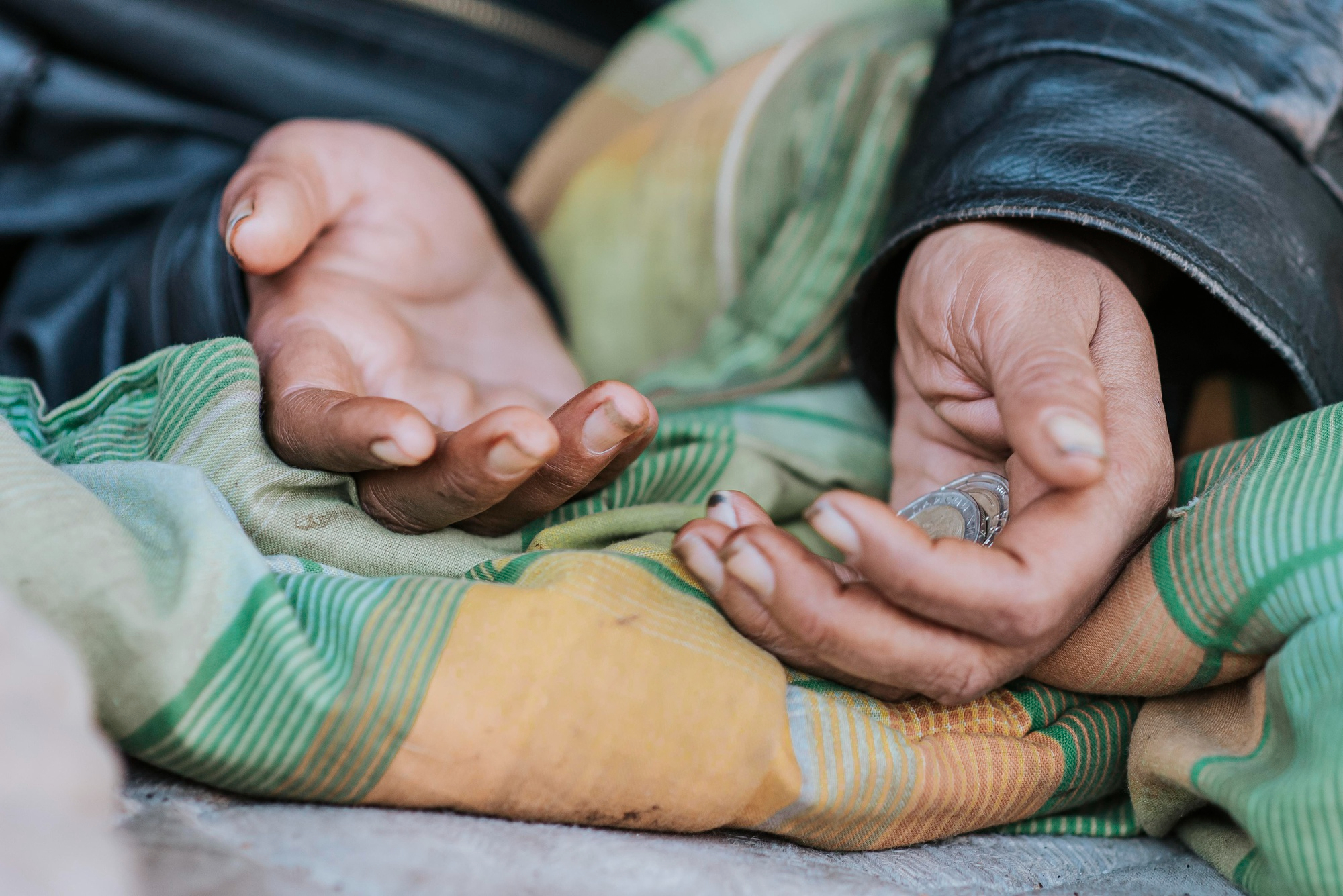
Step into the hidden underbelly of India, a land that is marred by a series of social ills. While the country is known for its rich cultural heritage and vast diversity, a dark reality often goes unnoticed. In this eye-opening article, we delve deep into the social ills of India.
From poverty and gender inequality to caste discrimination and child labour, India bears the weight of several pressing problems. With over a billion people struggling daily, it is time we confront the harsh realities that exist within the layers of Indian society.
Our responsibility is to shed light on these issues, which often remain obscured by the nation’s vibrant colours and bustling cities. By understanding the root causes and their impact on the lives of millions, we can start to address these challenges and work towards a better future for all.
Join us in exploring India’s social ills to better understand the harsh realities its people face. Let’s unravel the dark truth and pave the way for positive change together.
Poverty and income inequality
India is home to one of the largest populations of people living in poverty. Despite being one of the fastest-growing economies in the world, the gap between the rich and the poor continues to widen. According to recent statistics, around 21.9% of the population lives below the poverty line, struggling to meet their basic needs. This economic disparity perpetuates a cycle of poverty that is difficult to break.
The root causes of poverty in India are multifaceted. Lack of access to quality education and healthcare, limited job opportunities, and inadequate social welfare programs contribute to the perpetuation of poverty. Furthermore, rural areas are disproportionately affected, with farmers facing challenges such as unpredictable weather patterns, debt, and lack of government support. Tackling poverty requires a comprehensive approach that addresses these underlying issues and provides economic growth and social mobility opportunities.
Corruption and political scandals
Corruption is a pervasive issue that permeates various levels of Indian society, from the grassroots to the highest echelons of power. Corruption undermines the people’s trust in their government and hampers the country’s development efforts. It manifests in various forms, such as bribery, embezzlement, and nepotism, and affects sectors like healthcare, education, and infrastructure.
Political scandals further erode public trust in the government. High-profile cases of corruption involving politicians and bureaucrats have made headlines, exposing the extent of the problem. These scandals not only divert public funds away from essential services but also hinder the implementation of policies aimed at addressing social ills.
Gender inequality and violence against women
Gender inequality is deeply ingrained in Indian society, with women facing discrimination and violence in various aspects of their lives. Women are often denied equal opportunities in education, employment, and political representation. The patriarchal mindset prevalent in many parts of the country perpetuates harmful gender stereotypes and restricts women‘s freedom and agency.
Violence against women is a grave concern in India. Incidents of rape, domestic violence, and dowry-related crimes continue to make headlines, highlighting the urgent need for societal change. While legal frameworks exist to protect women’s rights, effective implementation and awareness among the population are crucial for combating gender-based violence.
Caste discrimination and untouchability
India’s caste system, although officially abolished, continues to exert its influence on society. The hierarchical division of society based on birth perpetuates discrimination and marginalization. Dalits, formerly known as “untouchables,” face systemic discrimination and are often denied access to education, healthcare, and employment opportunities.
Untouchability practices persist in many rural areas, where Dalits are subjected to social exclusion and violence. Despite legislative efforts to address caste discrimination, deeply entrenched biases and social norms hinder progress. Breaking the cycle of caste discrimination requires a multifaceted approach that includes education, awareness, and affirmative action policies.
Child labour and exploitation
Child labour remains a significant issue in India, with millions of children engaged in hazardous and exploitative work. Poverty, lack of access to education, and societal norms contribute to the prevalence of child labour. Children are forced to work in sectors such as agriculture, manufacturing, and domestic work, depriving them of their right to a childhood and proper education.
The consequences of child labour are far-reaching. It perpetuates the cycle of poverty, exposes children to physical and psychological harm, and hinders their overall development. Strict enforcement of child labour laws and investments in education and poverty alleviation programs are essential to eradicate this social ill.
Religious tensions and communal violence
India is a country known for its religious diversity, but religious tensions and communal violence have plagued the nation for decades. Incidents of religious intolerance, hate crimes, and communal riots have strained the social fabric of the country. These conflicts often arise due to political manipulation, economic disparities, and religious fundamentalism.
Building interfaith understanding, promoting dialogue, and fostering inclusive policies are critical steps towards addressing religious tensions. Creating an environment where all religious communities can coexist peacefully and contribute to the nation’s progress is crucial.
Environmental degradation and pollution
India faces significant environmental challenges, ranging from air and water pollution to deforestation and climate change. Rapid industrialization, urbanization, and population growth have put immense pressure on the environment. The consequences of environmental degradation are far-reaching, impacting public health, biodiversity, and the overall quality of life.
Addressing environmental issues requires a combination of policy interventions, public awareness campaigns, and sustainable practices. Transitioning to clean energy sources, promoting waste management, and conserving natural resources are crucial to mitigating the environmental impact.
Lack of education and healthcare access
Access to quality education and healthcare is a fundamental right, but many Indians still face significant barriers in these areas. A lack of infrastructure, limited resources, and regional disparities contribute to the inequitable distribution of educational and healthcare facilities. This further exacerbates social inequalities and hampers overall development.
Investing in education and healthcare infrastructure, improving teacher quality, and ensuring access to affordable healthcare services are essential to address these gaps. Empowering individuals through education and providing quality healthcare will contribute to breaking the cycle of poverty and improving the overall well-being of the population.
Conclusion: Steps towards addressing social ills in India
India’s social ills are complex and deeply rooted, requiring concerted efforts from the government, civil society, and individuals to bring about meaningful change. Tackling poverty, corruption, gender inequality, caste discrimination, child labour, religious tensions, environmental degradation, and lack of education and healthcare access necessitates a comprehensive approach.
Addressing these issues requires a combination of policy interventions, awareness campaigns, and grassroots initiatives. Engaging all stakeholders, including marginalized communities, is essential in the decision-making process and ensuring their voices are heard. By working together, we can unravel the dark reality that plagues India and pave the way for a brighter, more inclusive future for all its citizens.
Join us to raise awareness about India’s social ills and advocate for positive change. Together, we can make a difference and create a society where everyone has equal opportunities and a chance to thrive.


Leave a Comment