


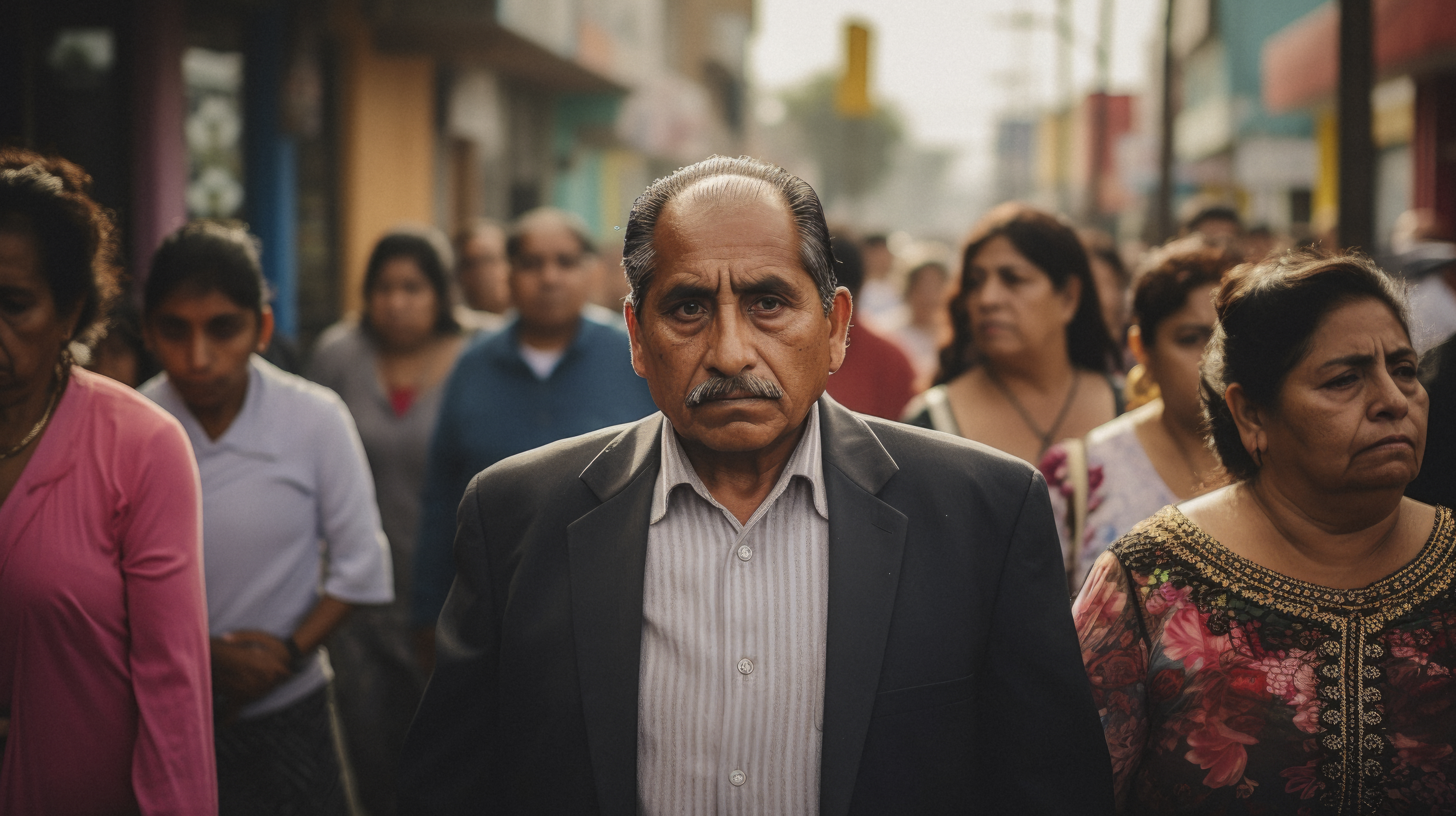
India, a nation characterised by its rich tapestry of cultures, languages, and traditions, grapples with a myriad of sociological issues that impact its social fabric. As the world’s largest democracy and one of its fastest-growing economies, India faces challenges that are deeply rooted in its history and socio-economic structure.
This article delves into some of the most pressing sociological issues in India, including gender inequality, poverty, caste discrimination, migration, education, and health.
Gender Inequality
Gender inequality remains one of the most significant sociological issues in India. Despite advancements in women’s rights and empowerment over the past few decades, women continue to face discrimination and violence.
Societal Norms and Violence
Patriarchal norms deeply embedded in Indian society often dictate the roles and expectations of women. Issues such as domestic violence, dowry-related deaths, and sexual harassment are prevalent. According to the National Family Health Survey (NFHS), about 30% of women aged 15-49 have experienced physical or sexual violence.
Economic Disparities
In the workplace, women encounter a gender pay gap that can be as high as 34% compared to their male counterparts. Although legislation like the Sexual Harassment at Workplace Act aims to protect women’s rights, enforcement remains weak in many areas. The lack of representation in leadership positions further exacerbates this issue.
Poverty
Poverty is another critical sociological issue affecting millions in India. Despite impressive economic growth rates, a significant portion of the population continues to live below the poverty line.
Rural vs. Urban Disparities
The divide between urban and rural areas is stark. While cities like Mumbai and Bangalore thrive economically, rural regions often lag behind due to a lack of infrastructure and job opportunities. According to the World Bank, around 22% of India’s population lives on less than $1.90 a day.
Impact on Education and Health
Poverty severely limits access to education and healthcare. Children from impoverished families often drop out of school to support their families financially. This perpetuates a cycle of poverty that is difficult to break.
Caste Discrimination
The caste system is an age-old social stratification that continues to influence Indian society today. Despite constitutional provisions aimed at promoting equality, caste-based discrimination remains rampant.
Social Exclusion
Dalits (formerly known as “untouchables”) and Adivasis (indigenous tribes) face social exclusion and violence. Reports indicate that caste-based atrocities are still common, with incidents ranging from social ostracism to brutal attacks.
Political Implications
Caste also plays a significant role in Indian politics, where political parties often mobilise support based on caste identities rather than policies or governance. This can lead to further entrenchment of caste divisions rather than their dismantling.
Migration
Migration—both rural-to-urban and inter-state—has become a defining feature of contemporary Indian society. While it offers opportunities for economic advancement, it also presents significant challenges.
Urban Overcrowding
As individuals migrate to cities in search of better livelihoods, urban areas face overcrowding and inadequate infrastructure. Slums have proliferated in cities like Mumbai and Delhi, where millions live without basic amenities such as clean water or sanitation facilities.
Job Insecurity
Many migrants find themselves in low-paying jobs with little job security or benefits. The informal sector employs a vast majority of these workers, leaving them vulnerable to exploitation.
Education
Education is fundamental for social mobility; however, access remains unequal across different regions and demographics in India.
Rural Education Crisis
In rural areas, schools often lack basic facilities such as trained teachers and adequate infrastructure. The dropout rate among children from marginalised communities is particularly high due to economic pressures.
Quality vs. Access
Even when children do attend school, the quality of education can be subpar. The Annual Status of Education Report (ASER) highlights alarming trends in literacy and numeracy skills among students in primary grades.
Health Issues
Health care access is another significant sociological issue in India. While urban centers may have advanced medical facilities, rural areas often suffer from inadequate healthcare services.
Public Health Challenges
India faces numerous public health challenges including malnutrition, maternal mortality rates that are among the highest globally, and a growing burden of non-communicable diseases like diabetes and hypertension.
Inequitable Healthcare Access
The disparity between urban and rural healthcare access leads to significant health outcomes differences. Many rural residents rely on unregulated private practitioners due to the lack of government healthcare facilities.
Addressing Sociological Issues: A Comprehensive Approach
To tackle these sociological issues effectively requires a multi-faceted approach:
Policy Interventions
Government policies must focus on equitable resource distribution across regions and communities. Initiatives aimed at empowering women economically and socially can help bridge gender gaps.
Community Engagement
Grassroots movements play a crucial role in raising awareness about social issues like caste discrimination and gender violence. Community-led initiatives can foster inclusivity and support marginalised groups.
Education Reforms
Investing in educational infrastructure—particularly in rural areas—is essential for breaking the cycle of poverty. Programs that provide vocational training can also equip young people with skills needed for employment.
Healthcare Accessibility
Improving healthcare infrastructure in rural areas is vital for enhancing public health outcomes. Mobile health units and telemedicine can help bridge gaps in service delivery.
Conclusion
India’s sociological issues are complex but not insurmountable. By acknowledging these challenges and implementing targeted strategies that promote equality, access to education, healthcare improvements, and economic opportunities for all citizens—regardless of gender or caste—India can pave the way toward a more equitable society. The journey may be long, but with collective effort from government bodies, civil society organisations, and local communities, meaningful change is possible.
Mufamadi Sharon

Leave a Comment