


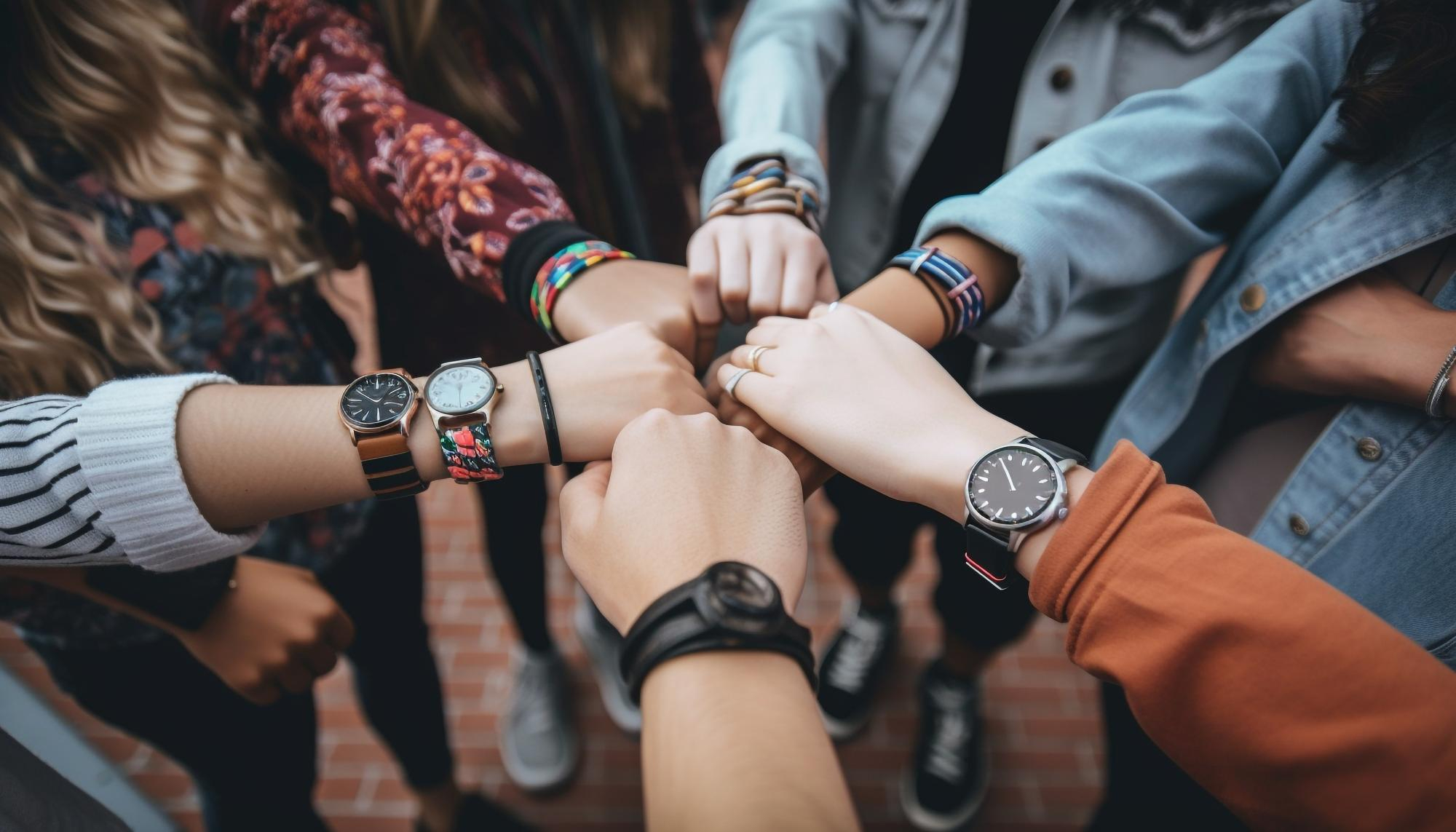
In a fast-paced and self-driven world, volunteering may seem like a luxury many do not have time to indulge in. However, what if we told you that volunteering goes beyond just helping others?
It is a powerful tool that can transform communities, individuals, and yourself. We often underestimate the impact of our actions when we give back to our local community or participate in service projects abroad. But today, let’s take a serious look at how community service benefits everyone involved – from those in need to the volunteers themselves. Whether you have never considered volunteering or are an avid volunteer looking for further motivation, this blog post will explore the true power of giving back and why it should be an essential part of all our lives.
The importance of volunteering
Volunteering is essential to community development, providing immense benefits to individuals and communities. It is often considered a selfless act that not only helps the less fortunate but ultimately enhances the quality of life of everyone involved. The impact of volunteering cannot be overemphasised as it provides an avenue to connect with people from diverse backgrounds, inspiring compassion and generosity towards others. Volunteering allows individuals to gain new skills, make new friends, and even boost their resume, making them more attractive to potential employers.
Communities benefit from volunteering in various ways, such as reducing social problems, fostering a sense of community pride, and creating a positive environment for individuals and families to thrive. Thus, volunteering is a crucial means of creating a better society by providing much-needed support and assistance to those in need.

Benefits of volunteering for the community
Volunteering is not only a way to help others, but it also has significant benefits for the community. When individuals dedicate their time and effort to various causes, they contribute to creating better public spaces, events, and services. Improved public spaces are vital for well-being, and volunteering can play a significant role in achieving this goal. Volunteers can assist in maintaining parks, planting trees or gardens, or cleaning the streets. This enhances the area’s beauty and creates a more positive environment for those who live or visit there.
Volunteering can also enable the community to develop and host events that may not otherwise occur, such as festivals, charity runs or street fairs that directly benefit the local community. Additionally, volunteering can support the development of services that cater to the local community’s needs. Therefore, volunteering helps individuals grow and develop personally and has an incredible impact on the community.
How volunteering can enhance personal skills and abilities
Volunteering is an incredibly rewarding experience, but it’s not just about giving your time to help others. The act of volunteering can also help to enhance personal skills and abilities. Whether you are working in a team, leading a group, or communicating with people from all walks of life, volunteering provides the opportunity to develop essential skills that can benefit you personally and professionally. Teamwork is essential in making a difference in the lives of others, and volunteering can help to develop collaborative skills that are highly valued in the workplace.
Leadership skills also emerge as you take on more responsibility and guide others in achieving a common goal. Communication is crucial in any setting, and volunteering offers a chance to communicate with people from diverse backgrounds and cultures, sharpening your ability to connect with others and convey your message clearly. All in all, volunteering is a valuable tool in developing these important skills and abilities that can positively impact your personal and professional life.
The emotional benefits of giving back to others
There is no doubt that we can all benefit from the act of giving back to others. While getting caught up in our own lives and problems is easy, taking the time to help others can provide a tremendous sense of fulfilment and purpose. Studies have shown that individuals who engage in acts of kindness and volunteerism experience increased happiness and overall emotional well-being.
Whether it is lending an ear to a friend in need or donating time and resources to a local charity, giving back reminds us of our shared humanity and helps cultivate a sense of connection to others. In short, the emotional benefits of giving back cannot be overstated and serve as a powerful reminder of the positive impact that we can all have on the world around us.
Ways to incorporate volunteering into your busy schedule
Finding time to volunteer can be overwhelming, especially if you already have a busy schedule with work and personal obligations. However, giving back to your community can be extremely rewarding and fulfilling. Finding volunteer opportunities that align with your interests and passions is key. Consider your skills, experience, and what issues you care about the most.
There are endless possibilities for volunteering, from mentoring youth to helping out at a local animal shelter or food bank. Look for organisations in your community or online that offer flexible schedules or short-term projects to fit your availability. Dedicating even just a few hours a week or month can make a meaningful impact and feel good about giving back.
Long-term effects of volunteering on society as a whole
Volunteering is often seen as a short-term commitment to a cause or organisation, but its impact on society can be long-lasting. By actively participating in service activities, citizens can help create a culture of giving back that benefits everyone. In addition to the direct benefits of volunteering, such as providing aid and support to those in need, the practice fosters community involvement and engagement.
This can lead to increased empathy and social cohesion, which can help create a more just and equitable society for all. The long-term effects of volunteering cannot be overstated, as it can potentially transform how we view our communities and our responsibilities to each other.
Addressing common misconceptions about volunteering
As the benefits of volunteering are widely acknowledged, participation in volunteer work has become increasingly popular in recent years. However, common misconceptions still prevent some individuals from engaging in volunteer work. Whether it is lack of time or accessibility, addressing these obstacles requires thoughtful consideration and creative solutions. For example, those who struggle to find the time to commit to regular volunteering could consider one-time or short-term volunteering opportunities.
Additionally, those who may face accessibility barriers could participate in virtual volunteering or find organisations that are better equipped to accommodate their needs. Recognising and addressing these barriers is essential so that volunteering can become a more inclusive and accessible activity for all individuals.
Highlighting the power of small acts of service
It’s easy to feel small in a world that’s so vast and complex. We often question if our individual actions can truly make a difference in the grand scheme of things. But it’s crucial to remember that small acts of service can remarkably impact the world around us. Whether it’s volunteering at a local shelter, donating to a non-profit organisation, or simply lending a listening ear to a friend in need, these actions add up. They create ripples that can turn into waves of change, inspiring others to join in and make a meaningful difference in their communities.
So, while it’s easy to become discouraged and overwhelmed by the scope of the world’s problems, know that every small act of service counts. And when we all come together, the impact can be truly extraordinary.
In conclusion, we have explored the many reasons why volunteering is not only beneficial for the community but also for individuals. From improving public spaces and events to enhancing personal skills and abilities, volunteering significantly impacts society as a whole. Additionally, we have discussed how giving back to others can bring about emotional benefits such as increased happiness and fulfilment. We encourage you to find ways to incorporate volunteering into your busy schedule and explore opportunities that align with your interests and passions.
With examples of successful volunteer projects and their lasting effects on individuals and communities, it’s clear that even small acts of service can make a big difference in the world. Let us strive to create a culture of giving back and break free from misconceptions about volunteering by finding alternative options or solutions for those who may face barriers to participation. Together, let us use our time, talents, and resources to positively impact the world around us. So take that first step towards making a difference through volunteering – you won’t regret it!


Leave a Comment