


Mauritius, a small island nation in the Indian Ocean, is renowned for its beautiful beaches, rich cultural heritage, and thriving tourism industry. However, beyond its idyllic image lies a reality of socio-economic disparity, particularly in rural communities. While urban areas such as Port Louis and Curepipe have witnessed significant development, rural regions continue to face challenges in accessing basic services, education, and healthcare. Non-governmental organisations (NGOs) have played a pivotal role in bridging this gap, empowering rural communities, and fostering sustainable development.
The Role of NGOs in Rural Mauritius
Non-governmental organisations in Mauritius are diverse, ranging from local grassroots initiatives to international bodies operating on the island. Their main aim is to tackle the socio-economic challenges faced by vulnerable populations, with a focus on rural areas. These NGOs are involved in various sectors such as education, healthcare, poverty alleviation, environmental protection, and women’s empowerment. They often complement government efforts and serve as a lifeline for communities that are otherwise neglected or overlooked.
One of the most significant ways in which NGOs contribute to rural communities is through education. Education remains a powerful tool for social mobility, but in many rural areas, access to quality education remains limited. NGOs in Mauritius have been working to address these disparities by providing educational resources, scholarships, and after-school programmes for children in underserved areas. These initiatives aim to equip the younger generation with the skills and knowledge needed to break the cycle of poverty and create better opportunities for themselves and their families.
Improving Healthcare Access
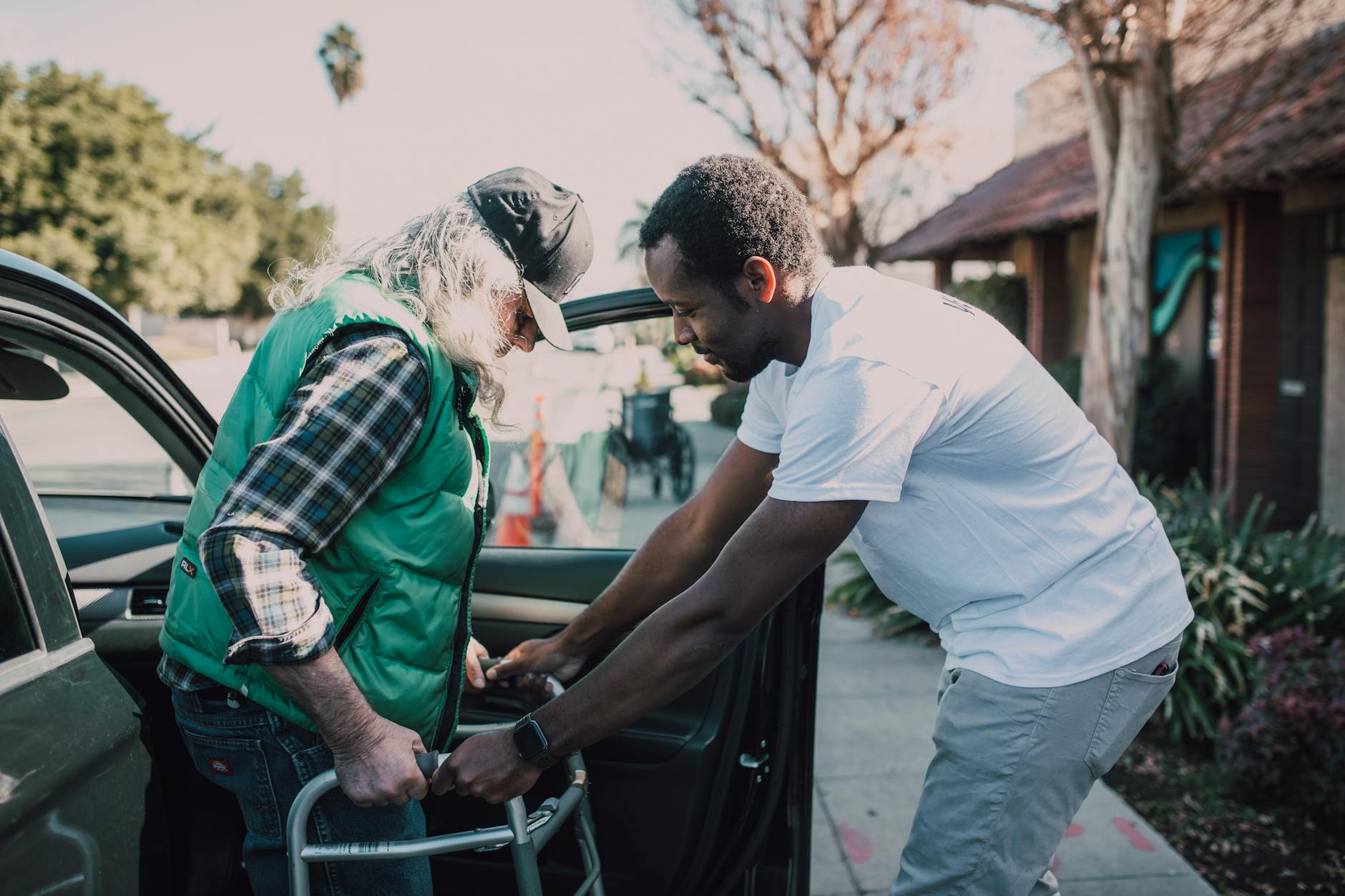
Another area where NGOs have made a substantial impact is in healthcare. While Mauritius boasts a relatively high standard of healthcare in urban areas, rural communities often face difficulties in accessing medical facilities. Some villages are located far from hospitals, and public health services are often overburdened, leaving little room for timely care.
NGOs have stepped in to fill this void, offering mobile health clinics, medical camps, and health education programmes. These organisations provide essential services such as vaccinations, maternal and child health check-ups, and general medical consultations, bringing healthcare closer to remote populations. Additionally, many NGOs focus on raising awareness about preventable diseases and promoting healthy lifestyles, which is especially crucial in rural communities where health education is often limited.
Supporting Sustainable Agriculture
Agriculture has traditionally been a cornerstone of the rural economy in Mauritius, with many families relying on farming as their primary source of income. However, the sector has faced numerous challenges in recent years, including climate change, land degradation, and limited access to modern farming techniques. NGOs are addressing these challenges by promoting sustainable agricultural practices and providing training to farmers.
Organisations like the Mauritius Agricultural Federation work with rural communities to introduce environmentally-friendly farming methods, such as organic farming, agroforestry, and soil conservation techniques. These initiatives not only improve food security but also help farmers increase their income by accessing niche markets for organic produce. Additionally, NGOs offer support in the form of micro-loans and grants, which enable farmers to invest in better equipment and expand their businesses.
Women’s Empowerment in Rural Areas
In many rural areas, gender inequality remains a significant barrier to development. Women, particularly in remote villages, often lack access to education, employment, and decision-making processes. NGOs have been instrumental in empowering rural women, providing them with the tools and resources to overcome these barriers and become leaders within their communities.
Women’s empowerment programmes focus on a variety of issues, including vocational training, economic independence, legal rights, and health education. NGOs like the Women’s Rights Centre (WRC) provide rural women with workshops and seminars that enhance their skills in areas such as entrepreneurship, leadership, and financial literacy. These programmes enable women to contribute meaningfully to the economic and social development of their communities, and in many cases, they have become change agents who inspire others to challenge traditional gender norms.
Tackling Poverty and Social Inequality
Poverty is one of the most pressing issues in rural Mauritius. Despite the nation’s overall economic growth, large segments of the rural population continue to live in poverty, with limited access to quality housing, education, and healthcare. NGOs play a critical role in addressing this issue by providing direct aid, as well as long-term solutions to alleviate poverty.
Through initiatives like food banks, shelter projects, and community kitchens, NGOs offer immediate relief to families struggling to meet their basic needs. More importantly, many organisations work on long-term strategies that focus on capacity-building and job creation. These include vocational training, entrepreneurship support, and community-driven development projects that enable individuals to generate income and become self-sufficient.
Environmental Conservation and Climate Change Mitigation
Environmental sustainability is another area where NGOs in Mauritius are making a significant impact. Rural communities, especially those reliant on agriculture and fishing, are often the most vulnerable to environmental degradation and the effects of climate change. NGOs have been working tirelessly to raise awareness about environmental issues and promote conservation practices.
Many organisations focus on protecting natural resources, such as forests, water sources, and coastal ecosystems. They advocate for sustainable land-use practices, encourage tree planting, and engage in coastal clean-up projects. By working closely with local communities, these NGOs help build resilience to climate change and promote sustainable livelihoods.
Collaborative Efforts and the Way Forward
While NGOs in Mauritius have made significant strides in improving the lives of rural communities, the challenges remain vast. Addressing the complex issues of poverty, education, healthcare, and environmental sustainability requires continued collaboration between NGOs, government bodies, and the private sector.
It is essential for Mauritius to maintain its commitment to empowering rural communities and ensuring that development is inclusive and sustainable. NGOs have proven to be invaluable partners in this process, and their work continues to inspire positive change. As they work on the ground to bridge the gap between urban and rural areas, these organisations contribute not only to improving the lives of individuals but also to the overall prosperity of the nation.
In conclusion, NGOs in Mauritius are playing a crucial role in addressing the disparities between rural and urban communities. By focusing on education, healthcare, agriculture, gender equality, poverty alleviation, and environmental sustainability, these organisations are helping to bridge the development gap and create a more equitable and sustainable future for all Mauritians. Their work is a testament to the power of community-driven initiatives and the transformative impact of collective action.

Leave a Comment