


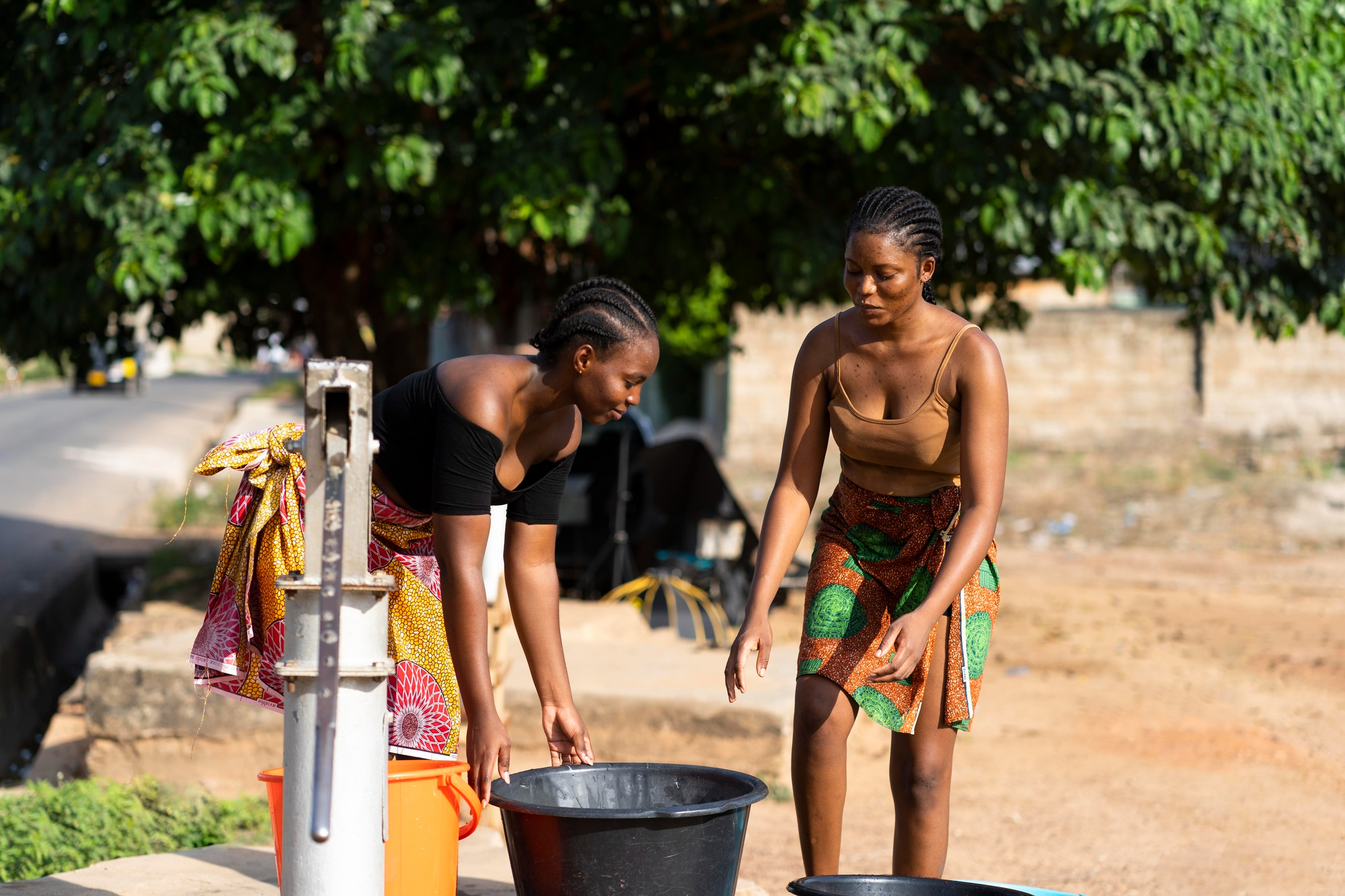
Mauritius, known for its pristine beaches, vibrant culture, and diverse ecosystems, is not just a paradise for tourists—it’s also an ideal destination for volunteers seeking meaningful experiences. Volunteering with NGOs in Mauritius allows you to contribute to local communities, support environmental conservation, and develop your personal and professional skills. Whether you’re a student, professional, or simply someone passionate about giving back, this guide will walk you through the process of volunteering in Mauritius.
Why Volunteer in Mauritius?
Volunteering in Mauritius offers unique opportunities to engage with local communities, participate in social initiatives, and support environmental sustainability. NGOs in the country are active in areas such as education, healthcare, child welfare, animal protection, and marine conservation. By volunteering, you not only help make a positive impact but also gain valuable cultural experiences, enhance your CV, and expand your global network.
Step 1: Identify Your Interests and Goals
Before you start searching for NGOs, it’s essential to clarify your volunteering goals. Ask yourself:
- What causes am I passionate about?
- How much time can I commit to volunteering?
- Do I prefer working with communities, animals, or environmental projects?
Mauritius offers a wide range of volunteering opportunities—from teaching English to children, supporting underprivileged families, to participating in beach clean-ups and wildlife conservation projects. Knowing your interests will help you choose the right NGO and role.
Step 2: Research NGOs in Mauritius
Once you’ve defined your volunteering goals, it’s time to research NGOs operating in Mauritius. Look for organisations that align with your values and objectives. Some of the well-known areas where NGOs are active include:
- Education and Child Welfare: NGOs support local schools, after-school programmes, and child development initiatives.
- Environmental Conservation: These projects focus on protecting marine life, reforestation, and sustainable agriculture.
- Healthcare and Social Work: Volunteers assist in hospitals, community clinics, and social services for vulnerable populations.
- Animal Welfare: Work with shelters, rescue centres, and wildlife conservation programmes.
Make a list of potential NGOs and explore their websites or social media pages to understand their projects, volunteer requirements, and application process.
Step 3: Check Eligibility and Requirements
Each NGO may have different eligibility criteria depending on the type of volunteer work. Some common requirements include:
- Age limits (often 18+)
- Minimum duration of commitment (from a few weeks to several months)
- Language skills (English, French, or Creole may be required)
- Specific qualifications for specialised roles (teaching, healthcare, etc.)
It’s also important to consider visa requirements. Depending on your nationality and the length of your stay, you may need a volunteer visa or a tourist visa with special permissions.
Step 4: Apply to Your Chosen NGO
Once you have shortlisted suitable NGOs, submit a formal application. Most organisations require a CV, a cover letter explaining your motivation, and sometimes references. Highlight your skills, previous volunteering experience, and enthusiasm for the cause.
Some NGOs may conduct an interview, either online or in person, to ensure you are a good fit for the role. Be honest and clear about your availability, skills, and expectations.
Step 5: Prepare for Your Volunteering Experience
After receiving confirmation from the NGO, it’s time to prepare for your volunteering journey. Consider the following:
- Accommodation and Food: Some NGOs provide accommodation, while others may guide you in finding nearby housing. Make sure to clarify these details beforehand.
- Travel Arrangements: Book your flights early and plan your transport within Mauritius. Public transport is available, but renting a vehicle may offer more flexibility.
- Cultural Readiness: Learn about local customs, traditions, and basic Creole or French phrases. Respect for the local culture is essential for a successful volunteering experience.
- Packing Essentials: Bring comfortable clothing, sun protection, insect repellent, and any specific tools or materials recommended by the NGO.
Step 6: Engage Fully and Learn
Volunteering is not just about helping others; it’s also an opportunity to learn and grow. Be proactive, ask questions, and immerse yourself in the local community. Build connections with fellow volunteers and locals to make your experience more rewarding.
Document your journey through photos, journals, or blogs—it not only preserves memories but also raises awareness about the NGO’s work.
Step 7: Reflect and Give Back
After your volunteering experience, take time to reflect on what you’ve learned and achieved. Share your experiences with friends, family, and on social media. If possible, continue supporting the NGO remotely through fundraising, advocacy, or skills-based volunteering.
Your contribution, no matter how small, can create lasting impact for local communities and the environment in Mauritius.
Final Thoughts
Volunteering with NGOs in Mauritius is a fulfilling way to make a difference while exploring a beautiful and culturally rich island. By following these steps—identifying your goals, researching NGOs, meeting requirements, applying, preparing, engaging, and reflecting—you can ensure a meaningful and rewarding experience. Whether your passion lies in education, conservation, healthcare, or social work, Mauritius offers countless opportunities to leave a positive mark.
Tereza Röslerová, Caritas College Olomouc – Communications Officer

Leave a Comment