


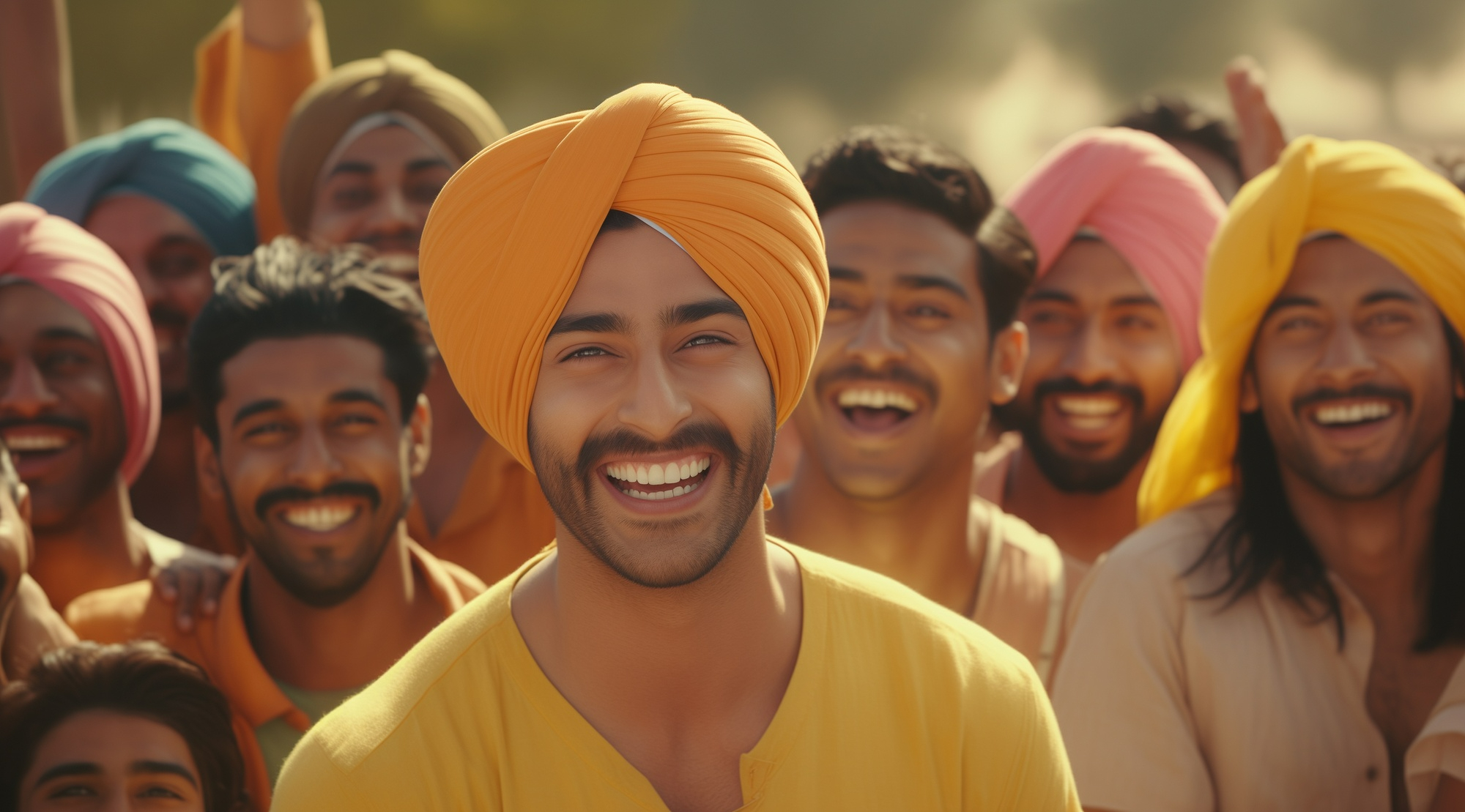
There is a growing movement around volunteering in India, driven not only by a desire to help but by young people looking for purpose, identity, and meaningful contribution. At the center of this movement is YUVA India, an organization that has emerged as a powerful bridge between young citizens and real-world social impact. Rather than treating volunteering as a temporary act of charity, YUVA India reframes it as leadership development — a path to becoming a responsible, empathetic, and socially conscious adult.
Today, more students, recent graduates, and early professionals are seeking value beyond academic records and job experience. They want exposure, voice, mentorship, and a place to grow. YUVA India recognizes this shift and has created a home for young people who want to build a future rooted in service.
Why Young People Are Choosing to Volunteer
Across India, young people are questioning what it means to “succeed.” Many feel limited by the idea that success only comes from grades, degrees, and stable careers. They are searching for relevance — something they can contribute to the world right now, not someday in the future.
Volunteering offers:
- Real experience instead of theoretical learning
- Confidence built through practical work
- Emotional maturity and empathy
- Leadership without needing formal authority
- A sense of identity and belonging in a community
YUVA India taps directly into this need. What makes their model unique is how they help young volunteers discover themselves as much as they help them serve others. The organization does not just create volunteers; it cultivates leaders.
How YUVA India Attracts Purpose-Driven Young Leaders
YUVA India understands that young people don’t engage through pressure — they engage through purpose, ownership, and opportunity. Instead of recruiting volunteers like a workforce, YUVA India invites them like partners.
1. A Mission That Resonates
YUVA India’s message is simple: “Your age doesn’t limit your ability to make a difference.”
This empowers students and young adults who may feel unheard, underestimated, or uncertain of their capabilities.
2. Grassroots Exposure
Rather than limiting volunteering to event-based participation, YUVA India offers:
- Community visits
- Field immersion
- Grassroots learning with NGOs and local leaders
- Problem-solving at ground level
Young people get to see challenges up close — from education gaps to health, sanitation, youth rights, and livelihood struggles. This exposure turns questions into curiosity and emotions into action.
3. A Space for Expression
Many young volunteers arrive with ideas but lack the confidence to voice them. YUVA India creates supportive spaces:
- Discussion circles
- Reflection sessions
- Debates and idea labs
- Mentorship from sector experts
This is where self-belief starts to grow. Soon, participants realize leadership begins with speaking up, not having a title.
Training Model: Turning Volunteers Into Leaders
YUVA India’s training process is structured, intentional, and human-centered. It focuses not just on “what volunteers do” but who they become while doing it.
1. Foundational Orientation
Before volunteers enter communities, they learn:
- Ethics of service
- How to listen before acting
- Respect for community ownership
- The value of cultural and social sensitivity
This ensures impact isn’t rushed or imposed.
2. Skill-Based Training
Volunteers receive training in:
- Communication and facilitation
- Community engagement
- Project planning and teamwork
- Field reporting and documentation
- Basic leadership and decision-making
These skills support both service and employability later in life.
3. Supervised Field Exposure
Volunteers work with guidance from mentors and trainers so they:
- Don’t feel overwhelmed
- Learn to navigate real challenges
- Stay consistent and motivated
This balance ensures growth without burnout.
4. Reflection and Feedback Loops
After every field interaction, volunteers reflect:
- What went well?
- What felt difficult?
- What needs more clarity?
- What did they learn about themselves?
Reflection turns activity into awareness and experiences into learning.
The Impact: Personal and Social Transformation
While volunteering directly benefits communities, YUVA India sees an equally important outcome — the transformation of the volunteer.
Young participants report growth in:
- Confidence and public speaking
- Empathy and understanding of diverse lives
- Patience, clarity, and emotional intelligence
- Responsibility, independence, and initiative
- Awareness of privilege and social equity
Some volunteers go on to join development organizations. Others bring these values into business, healthcare, education, law, tech, and entrepreneurship. Wherever they go, they carry a mindset shaped by service.
Real Challenges, Real Learning
YUVA India doesn’t filter the world for volunteers. They do not promise comfort; they promise clarity.
Volunteers learn:
- Impact is slow
- Change requires consistency, not one-time effort
- Communities know their needs better than outsiders
- Listening is stronger than instructing
- Leadership means helping others lead
These lessons are not found in textbooks or exam papers — they are found in conversations on dusty roads, in classrooms without electricity, in the eyes of a child learning to read for the first time.
Why YUVA India Feels Different
In a space where many organizations ask, “How many volunteers can we get?” — YUVA India asks,
“How many leaders can we build?”
The difference is intention.
The difference is mentorship.
The difference is dignity — for both the volunteer and the community.
Volunteering here is not charity; it’s collaboration.
A Message to Young People Considering Volunteering
You don’t need expertise to start.
You don’t need perfect answers.
You don’t need to wait until adulthood to matter.
You only need willingness. The rest will grow with you.
Conclusion
The story of volunteering in India is changing, and YUVA India is helping write its next chapter. As young people step into roles shaped by empathy rather than ego, service rather than status, and collaboration rather than competition, they are discovering something powerful: leadership is not a rank — it’s a responsibility.
In a world that asks young people to prove themselves, YUVA India gives them a place to become themselves.
And perhaps that is where true leadership begins.

Leave a Comment