


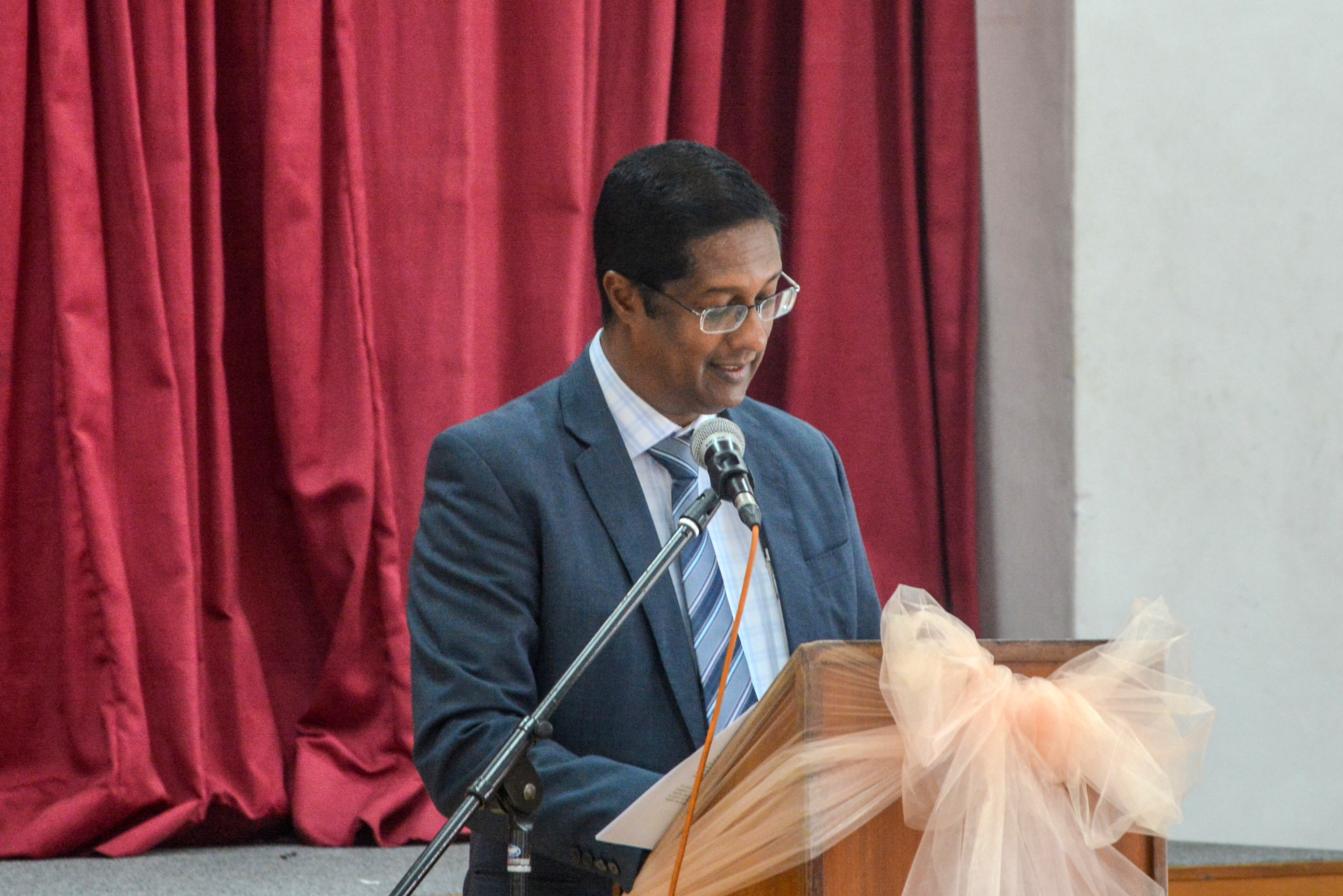
YUVA attend World Religion Day Mauritius, organised by the Bahá’í Community of Mauritius, which was commemorated with dignity, reflection, and a strong call to action. The event brought together representatives of diverse faiths, institutions, and civil society. Celebrated every third Sunday of January, World Religion Day stands as a reminder that religion, at its core, is a unifying force—one that seeks to promote peace, justice, and the well-being of humanity. This year’s gathering was particularly meaningful, as it revolved around the theme “Conceptualising Justice”, urging participants to move beyond words and embrace responsibility through action.
Setting the Context: The Bahá’í Community and World Religion Day
The event opened with a brief yet insightful introduction to the Bahá’í Community and the origins of World Religion Day. Established to highlight the fundamental unity of religions, this international observance reflects the Bahá’í belief that all major faiths come from the same divine source and share common values. The introduction set a reflective tone, emphasising that religious diversity should be a source of strength rather than division.
Mr. Kiran Ramchand Coonjul, Representative of the Bahá’í Faith, delivered the opening message, focusing on the universal nature of religion. He highlighted how faith traditions, when understood in their true spirit, encourage unity, justice, and service to humanity. His words underscored the relevance of World Religion Day in a world increasingly challenged by inequality, conflict, and social fragmentation.
Voices for Justice and Unity
Following this, Ms. Aleeyah Lallmahomed, Representative of the Council of Religions, addressed the audience with a powerful speech centred on justice and inclusivity. She stressed that justice must be accessible to everyone, regardless of background, belief, or social status. Her message resonated deeply with the audience, reinforcing the idea that interreligious dialogue is not merely symbolic but essential for building fair and cohesive societies.
A significant highlight of the event was the interfaith prayer session, during which representatives of various religions in Mauritius shared prayers from their respective traditions. Each prayer was accompanied by an explanation of its meaning, allowing the audience to appreciate the shared values of compassion, peace, and justice across faiths. This moment of collective spirituality beautifully illustrated Mauritius’ rich religious harmony and demonstrated how faith can foster mutual understanding.
Justice as Responsibility: A Call to Action
Mr. Kiran Ramchand Coonjul returned to the podium to further expand on the event’s theme. In his continued address, he spoke about the need to contribute actively to the planet and society. He highlighted key issues such as the equality of women and men, transitional justice, reducing vulnerability, and enhancing women’s participation in decision-making processes.
He emphasised that conceptualising justice requires rejecting all forms of inequality, including racism and sexism. Justice, he noted, cannot remain an abstract ideal; it must translate into daily actions, policies, and attitudes that uphold human dignity. His speech encouraged participants to reflect on their individual and collective roles in building a more just and sustainable world.
Cultural Expression Through Music
Adding a cultural and emotional dimension to the programme, a choir group animated the event with music. They performed the song “La Terre 1 Sel Pays”, a piece that celebrates unity, shared identity, and care for the planet. The performance was warmly received, reinforcing the message that art and culture play an important role in social cohesion and collective reflection.
National Perspective on Justice and Coexistence
The presence of the Vice-President of the Republic of Mauritius, Mr. Jean Yves Robert Hungley, marked a significant moment in the event. In his address, he acknowledged the valuable contributions of the Bahá’í Community to Mauritian society and praised its commitment to interfaith harmony and social progress.
He highlighted sobering realities, noting that in 2024, at least one quarter of the population in Mauritius faced some form of violence. Against this backdrop, he reaffirmed that Mauritius remains a country where people of different religions and cultures can live together peacefully. However, he stressed that justice demands action, not complacency. Leaders and citizens alike, he said, must actively seek solutions to societal challenges and work collaboratively to protect the vulnerable.
His speech reinforced the central message of the day: justice is not automatic—it requires conscious effort, courage, and cooperation.
Digital Milestone: Launch of the Bahá’í Community Website
Another key moment of the event was the official launch of the Bahá’í Community of Mauritius website. The live demonstration guided the audience through the platform, explaining its purpose, features, and significance. The website aims to serve as a resource for information on Bahá’í activities, principles, and community-building efforts in Mauritius.
The launch symbolised the community’s commitment to transparency, accessibility, and engagement in the digital age, providing a space where people can learn, connect, and participate in initiatives promoting unity and justice.
Interactive Learning: Workshop on Justice Concepts
The programme concluded with an interactive workshop designed to encourage participation and dialogue. Attendees were grouped based on tags placed on their seats, featuring concepts such as equity, equality, and related values. These group discussions allowed participants to exchange perspectives, reflect on real-life applications of justice, and deepen their understanding of the theme.
This collaborative approach transformed the event from a series of speeches into a shared learning experience, reinforcing the idea that justice is best understood and advanced collectively.


A Meaningful Conclusion
The event concluded on a warm and informal note with refreshments, offering participants an opportunity to continue conversations and strengthen connections. World Religion Day 2024, as organised by the Bahá’í Community of Mauritius, successfully embodied its purpose: fostering unity among religions while addressing pressing social issues.
By combining spiritual reflection, dialogue, cultural expression, and practical engagement, the event reminded all present that conceptualising justice is only the first step. The true measure lies in how individuals and communities translate these ideals into action—working together for a more just, peaceful, and inclusive society.

Leave a Comment