


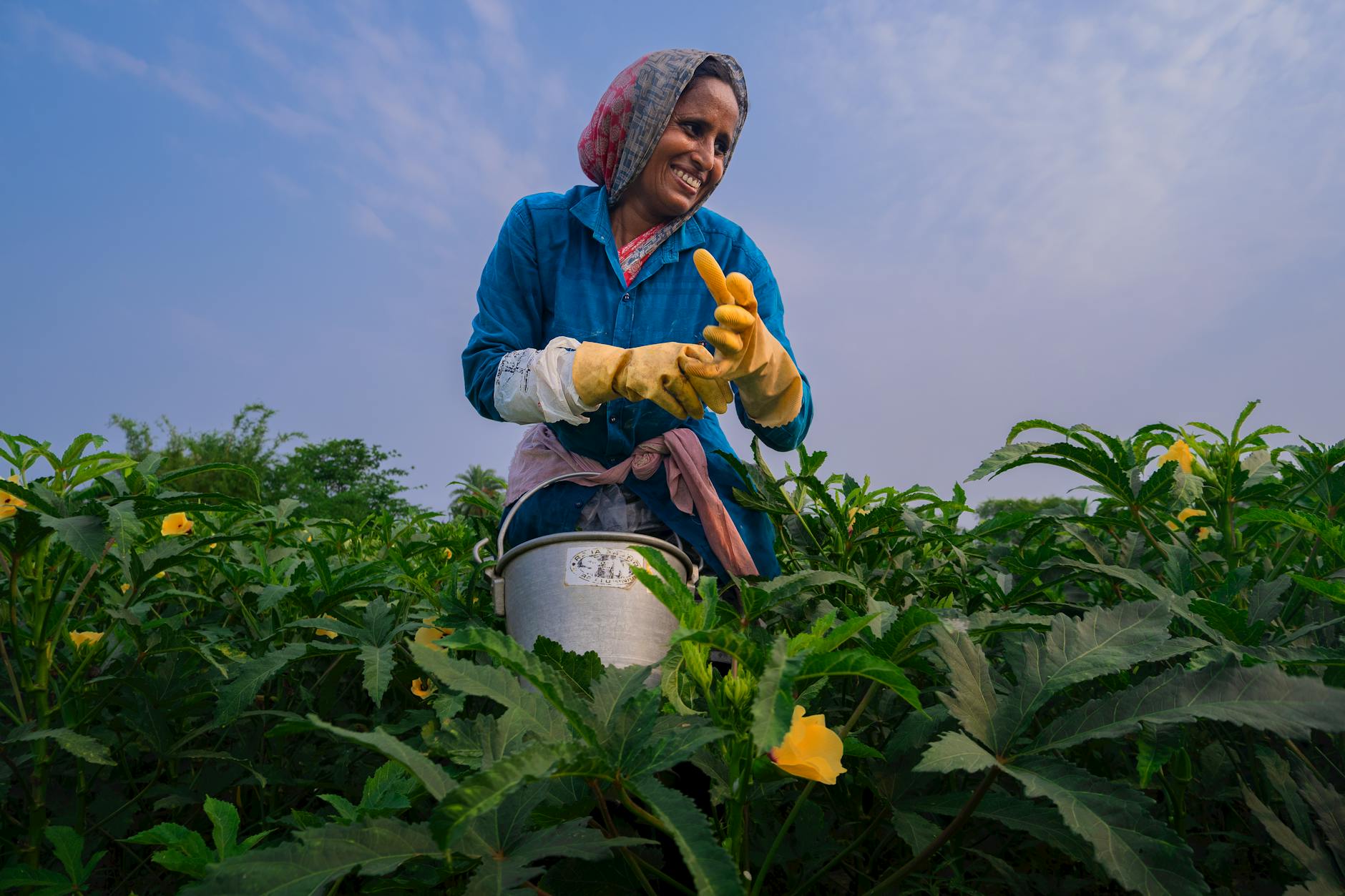
With its vast and diverse population, India holds enormous potential to become a global leader in innovation, industry, and economic growth. However, challenges such as unemployment, underemployment, and skill gaps often hinder this potential. Creating equitable employment pathways for all is essential to unlock the nation’s promise. Empowering India’s workforce requires a holistic approach that combines skill development, technology, and inclusive policies.
This blog delves into the strategies and efforts needed to empower India’s workforce, ensuring that every individual, regardless of their background, has access to meaningful employment opportunities.
Understanding India’s Workforce Landscape
India boasts one of the world’s largest workforces, with over 500 million people of working age. However, the country faces a dual challenge: a significant proportion of the population remains unemployed or underemployed, while industries report a shortage of skilled workers.
Key challenges in the workforce:
- Skill gaps: Many workers lack the skills required by modern industries, particularly in sectors such as technology and manufacturing.
- Urban-rural divide: Employment opportunities are concentrated in urban areas, leaving rural workers with limited options.
- Gender disparity: Women’s participation in the workforce remains low due to societal norms, lack of opportunities, and safety concerns.
- Youth unemployment: Despite being educated, many young Indians struggle to find jobs due to mismatched skills and market demands.
Skill Development: The Foundation for Empowerment
Equipping workers with the skills they need is the cornerstone of workforce empowerment. Several government and non-governmental initiatives are addressing this need, focusing on both foundational and advanced skills.
Vocational training for youth
Skill development programmes such as the Skill India Mission aim to provide vocational training in trades like carpentry, plumbing, and electrical work. These programmes cater to individuals who may not pursue formal higher education, enabling them to secure stable jobs.
Advanced skills for the digital economy
In the digital age, proficiency in technology is critical. Initiatives offering training in areas such as coding, data analytics, and digital marketing are preparing the workforce for high-demand sectors. Collaborations with tech companies have amplified these efforts, ensuring that training is aligned with industry requirements.
Case study: A rural skill development centre in Madhya Pradesh recently trained hundreds of youth in mobile repair and digital skills, enabling them to find jobs or start their own businesses. This not only empowered individuals but also contributed to the local economy.
Promoting Entrepreneurship
Entrepreneurship is another powerful way to create pathways to employment, particularly in rural areas where formal job opportunities are limited. By fostering an entrepreneurial mindset, individuals can become job creators rather than job seekers.
Micro-entrepreneurship in rural India
Self-help groups (SHGs) and microfinance institutions are playing a pivotal role in promoting micro-entrepreneurship. From small-scale dairy farming to handicraft businesses, these ventures empower individuals, particularly women, to achieve financial independence.
Startup ecosystem for urban youth
India’s burgeoning startup ecosystem is providing opportunities for young entrepreneurs to innovate and create jobs. Government initiatives like Startup India offer financial incentives, mentorship, and incubation support to budding entrepreneurs.
Technology as a Catalyst for Employment
Technology is reshaping the job market and opening up new avenues for employment across India. Digital platforms and tools are bridging the gap between job seekers and employers, particularly in remote and underserved areas.
Online job portals and gig platforms
Digital platforms like Naukri.com and gig economy platforms like Urban Company have revolutionised job searching in India. These platforms enable workers to connect with opportunities that match their skills, regardless of their location.
Upskilling through e-learning
The rise of e-learning platforms such as Coursera, Udemy, and Government e-Marketplace (GeM) has made skill development more accessible. Workers can now acquire in-demand skills from the comfort of their homes, often at minimal or no cost.
Digital transformation in agriculture
For India’s vast rural workforce, technology is transforming traditional sectors like agriculture. Apps providing weather updates, crop pricing information, and farm management tools are helping farmers improve productivity and income.
Bridging the Urban-Rural Divide
A significant portion of India’s workforce resides in rural areas, where job opportunities are scarce. To ensure inclusive growth, it’s crucial to bridge the gap between urban and rural employment.
Rural job creation initiatives
Government programmes like the Mahatma Gandhi National Rural Employment Guarantee Act (MGNREGA) provide rural households with guaranteed employment. These schemes not only generate income but also contribute to infrastructure development in rural areas.
Rural industrialisation
Promoting industries in rural areas through subsidies and incentives can create local jobs and reduce migration to cities. Sectors like food processing, textiles, and handicrafts have significant potential for rural employment.
Empowering Women in the Workforce
India cannot fully realise its workforce potential without addressing gender disparities. Empowering women through education, training, and safe work environments is critical for achieving inclusive growth.
Promoting women entrepreneurs
Women-led initiatives, supported by microfinance and mentorship, are empowering women to establish small businesses. From home-based food ventures to e-commerce enterprises, these efforts are creating jobs and reducing gender inequality.
Ensuring workplace safety
Efforts to create safe and inclusive workplaces, such as implementing stringent anti-harassment policies and providing childcare facilities, are encouraging more women to join the workforce.
The Role of Public-Private Partnerships
Collaboration between governments, private companies, and NGOs is essential for creating sustainable employment pathways. Public-private partnerships (PPPs) leverage resources, expertise, and innovation to address workforce challenges effectively.
Skill development through corporate social responsibility (CSR)
Many corporations in India are using their CSR funds to support skill development programmes, particularly in rural areas. For instance, training centers established by companies like Tata and Infosys are helping bridge the skill gap.
Collaboration for inclusive hiring
Private companies are increasingly partnering with NGOs to recruit individuals from marginalised communities, providing training and employment opportunities to those who need them most.
A Vision for the Future
Empowering India’s workforce is not just about creating jobs; it’s about building a future where every individual has the skills, resources, and opportunities to thrive. From skill development and entrepreneurship to gender equality and technology integration, the path forward requires a multi-faceted approach.
India’s workforce is its greatest asset, and by investing in its potential, the nation can achieve sustainable and inclusive growth. Together, governments, businesses, and communities can create pathways to employment for all, ensuring that no one is left behind in the journey toward progress.

Leave a Comment