


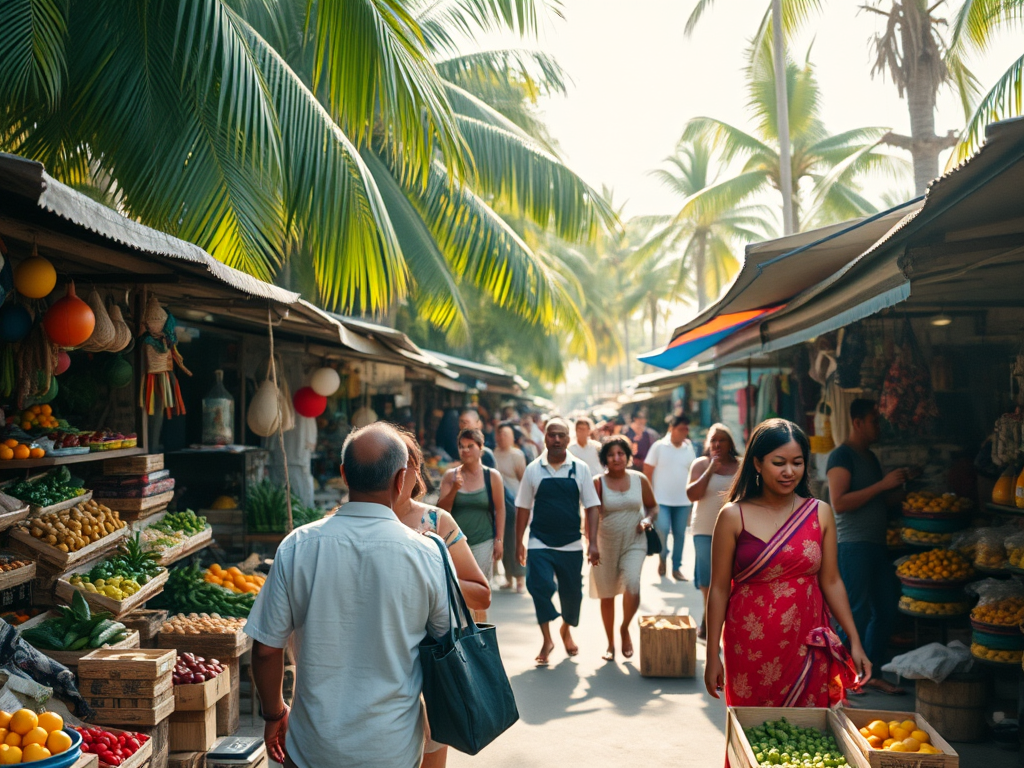
Mauritius, a small island nation located in the Indian Ocean, is celebrated for its stunning beaches, diverse culture, and stable economy. However, beneath this idyllic exterior lies a complex social landscape marked by various sociological issues.
These challenges stem from its unique demographic composition, economic disparities, gender inequality, and environmental concerns. Understanding these sociological issues is crucial for fostering social cohesion and sustainable development in Mauritius.
Ethnic Diversity and Social Cohesion
Mauritius is known for its multicultural society, with a population comprising Indo-Mauritians (approximately 68%), Creoles (approximately 27%), Sino-Mauritians (approximately 3%), and Franco-Mauritians (approximately 2%). This rich ethnic diversity contributes to the island’s vibrant cultural tapestry but also presents challenges related to social cohesion.
Ethnic Tensions
Despite the general atmosphere of tolerance among different ethnic groups, underlying tensions can surface, particularly during political campaigns or social unrest. Political parties in Mauritius often align with specific ethnic communities, which can exacerbate divisions rather than promote unity. For instance, electoral strategies may focus on mobilising support from particular ethnic groups, leading to feelings of marginalisation among others.
To mitigate these tensions, it is essential to foster a national identity that transcends ethnic affiliations while respecting cultural differences. Initiatives aimed at promoting intercultural dialogue and understanding can help bridge gaps between communities and build a more cohesive society.
Integration and Representation
The representation of different ethnic groups in governance and public life remains a contentious issue. While Mauritius has made strides in promoting inclusivity, ensuring equitable representation is crucial for maintaining social harmony. Efforts to promote inclusivity in political processes and public services are essential for building trust among different groups.
For example, implementing policies that encourage participation from underrepresented communities in decision-making processes can enhance social cohesion. Additionally, educational programs that promote awareness of the contributions of various ethnic groups to Mauritian society can foster a sense of belonging and pride among all citizens.
Socioeconomic Disparities
Mauritius has achieved significant economic growth over the past few decades; however, socioeconomic disparities persist. The gap between the wealthy and the poor continues to widen, leading to various social issues that affect the quality of life for many citizens.
Poverty and Unemployment
Despite a relatively high GDP per capita, pockets of poverty exist throughout the island. Rural areas are particularly affected, where access to basic services such as healthcare and education is limited. Unemployment rates are higher among youth and women, exacerbating feelings of disenfranchisement and hopelessness.
Addressing these disparities requires targeted policies that promote job creation and access to education. For instance, vocational training programs aimed at equipping young people with marketable skills can help reduce unemployment rates and improve economic prospects for marginalised communities.
Access to Education
Education is a critical factor in socioeconomic mobility. While Mauritius boasts a high literacy rate (around 91%), disparities in educational quality and access remain significant concerns. Rural areas often lack adequate resources, leading to unequal opportunities for students.
Investing in education infrastructure—such as building more schools in underserved areas—and ensuring equal access to quality education is vital for breaking the cycle of poverty. Additionally, scholarship programs targeting disadvantaged students can help level the playing field and provide opportunities for upward mobility.
Gender Inequality
Gender inequality is another pressing sociological issue in Mauritius. Although women have made significant strides in education and employment over the years, traditional gender roles still influence societal expectations and opportunities.
Employment Disparities
Women often face barriers to career advancement due to societal norms that prioritise male employment. The gender pay gap persists across various sectors; women typically earn less than men for similar work. This disparity limits women’s economic independence and reinforces traditional gender roles.
Promoting gender equality in the workplace through policies that support equal pay and career development opportunities is essential for fostering an inclusive economy. Initiatives such as mentorship programs for women can empower them to pursue leadership positions and break through glass ceilings.
Violence Against Women
Domestic violence remains a significant concern in Mauritius. Cultural stigmas surrounding reporting such incidents can deter victims from seeking help or speaking out against their abusers. The lack of adequate support services further complicates the issue.
Raising awareness about gender-based violence through public campaigns and community outreach programs is crucial for addressing this pervasive problem. Additionally, establishing safe spaces for victims and providing accessible legal assistance can empower individuals to seek justice and rebuild their lives.
Environmental Concerns
As an island nation, Mauritius is particularly vulnerable to environmental issues such as climate change, pollution, and habitat degradation. These challenges have sociological implications that affect communities’ livelihoods and well-being.
Climate Change Impact
Rising sea levels pose a direct threat to coastal communities in Mauritius, leading to displacement and loss of livelihoods dependent on fishing and tourism—two critical sectors of the economy. Addressing climate change requires not only environmental policies but also social strategies to support affected communities through adaptation measures.
For instance, investing in sustainable infrastructure—such as seawalls or mangrove restoration projects—can help protect vulnerable coastal areas while providing employment opportunities for local residents. Additionally, community engagement in environmental conservation efforts fosters resilience against climate-related challenges.
Pollution and Public Health
Urbanisation has led to increased pollution levels in Mauritius, impacting public health and quality of life. Communities near industrial areas often face health risks due to exposure to pollutants from factories or waste disposal sites.
Implementing stricter environmental regulations regarding industrial emissions and waste management can mitigate these issues while enhancing community well-being. Furthermore, promoting sustainable practices—such as recycling programs or clean energy initiatives—can contribute to a healthier environment for all citizens.
Moving Forward
Mauritius stands at a crossroads where addressing sociological issues such as ethnic diversity, socioeconomic disparities, gender inequality, and environmental concerns is crucial for fostering a harmonious society. By promoting inclusivity, equitable opportunities, gender equality, and sustainable practices, Mauritius can work towards overcoming these challenges while enhancing the quality of life for all its citizens.
The path forward requires collaborative efforts from government bodies, civil society organisations, businesses, and local communities. By prioritising social cohesion through intercultural dialogue initiatives, addressing economic disparities with targeted policies on education and employment opportunities, promoting gender equality through workplace reforms, and tackling environmental challenges with sustainable practices—Mauritius can continue its journey toward becoming a model of progress in the region.
In conclusion, understanding these sociological issues is vital not only for policymakers but also for citizens who wish to contribute positively to their society. By fostering dialogue around these challenges while implementing actionable solutions—Mauritius can build a brighter future characterised by unity amid diversity—a true testament to its rich cultural heritage.
By Mufamadi Sharon, Communications Officer at YUVA, dedicated to creating impactful and engaging content that raises awareness and inspires positive change.

Leave a Comment