


On 7th May 2025, YUVA Mauritius had the privilege of participating in a national workshop organised by the Ministry of Social Integration, Social Security and National Solidarity in collaboration with the National Social Inclusion Foundation (NSIF). The event, titled Call for Participation, brought together over 200 NGOs from across Mauritius, demonstrating the strong and united civil society working towards national progress.
Held with the objective of fostering collaboration and highlighting the support structures available to NGOs, the workshop commenced at 10:30 AM with a warm welcome from the Master of Ceremonies. The atmosphere was then enlivened by a live musical performance by local artist Stefan G. Gua, who delivered a heartfelt rendition of his original composition, adding a vibrant and cultural touch to the event.

Strengthening Social Impact YUVA Mauritius Takes Part in Ministry Led NGO Workshop 
Strengthening Social Impact YUVA Mauritius Takes Part in Ministry Led NGO Workshop 
Strengthening Social Impact YUVA Mauritius Takes Part in Ministry Led NGO Workshop 
Strengthening Social Impact YUVA Mauritius Takes Part in Ministry Led NGO Workshop 
Strengthening Social Impact YUVA Mauritius Takes Part in Ministry Led NGO Workshop 
Strengthening Social Impact YUVA Mauritius Takes Part in Ministry Led NGO Workshop 
Strengthening Social Impact YUVA Mauritius Takes Part in Ministry Led NGO Workshop 
Strengthening Social Impact YUVA Mauritius Takes Part in Ministry Led NGO Workshop 
Strengthening Social Impact YUVA Mauritius Takes Part in Ministry Led NGO Workshop
A key highlight of the morning was the address by Hon. Ashok Subron, Minister of Social Integration, Social Security and National Solidarity. In his speech, the Minister acknowledged the growing concern of drug scourges in our society, calling for a united front among all stakeholders to address this challenge. He also pointed out that Mauritius has one of the lowest tax rates globally, standing at 15%, significantly lower than the global average of 23.51%—a testament to the country’s efforts to create a supportive environment for citizens and organisations alike.
Minister Subron emphasised that as part of a newly elected government, there is a genuine desire to transform the nation and effect real change, especially in the lives of the most vulnerable. His words resonated strongly with the NGO representatives in attendance, many of whom work on the frontlines of social transformation.
Following the Minister’s address, several NGO representatives were invited to speak, sharing firsthand experiences about the positive impact of NSIF support on their missions and communities. These testimonials reflected the diverse ways NGOs are using available resources to foster inclusion, empowerment, and resilience across Mauritius.
The event then broke for a networking lunch, providing an opportunity for NGOs to connect, share ideas, and build potential collaborations.

Strengthening Social Impact YUVA Mauritius Takes Part in Ministry Led NGO Workshop 
Strengthening Social Impact YUVA Mauritius Takes Part in Ministry Led NGO Workshop 
Strengthening Social Impact YUVA Mauritius Takes Part in Ministry Led NGO Workshop 
Strengthening Social Impact YUVA Mauritius Takes Part in Ministry Led NGO Workshop 
Strengthening Social Impact YUVA Mauritius Takes Part in Ministry Led NGO Workshop 
Strengthening Social Impact YUVA Mauritius Takes Part in Ministry Led NGO Workshop 
Strengthening Social Impact YUVA Mauritius Takes Part in Ministry Led NGO Workshop 
Strengthening Social Impact YUVA Mauritius Takes Part in Ministry Led NGO Workshop 
Strengthening Social Impact YUVA Mauritius Takes Part in Ministry Led NGO Workshop
Afternoon Parallel Workshops: Deepening Engagement with NSIF
After lunch, the conference resumed with a more interactive segment. Participants were divided into three parallel workshops, each designed to facilitate deeper discussions and practical engagement with the NSIF’s mechanisms and support systems.
1. What Are the Things That NSIF Needs to Improve?
This session created a safe and constructive space for NGOs to share feedback and suggestions on how NSIF could better serve the non-profit sector. Discussions focused on streamlining administrative processes, improving transparency and communication, and increasing accessibility for grassroots organisations. Many participants emphasized the need for more frequent consultations and field visits to better understand the realities on the ground.
2. NSIF Fundings
In this workshop, NGOs had the opportunity to explore the funding procedures, eligibility criteria, and reporting expectations associated with NSIF grants. The session helped demystify the application process and gave valuable tips on how to design impact-driven projects that align with NSIF’s strategic priorities. Participants were particularly interested in the monitoring and evaluation framework, as well as the timeline of fund disbursement.
3. Know About NSIF – For NGOs Not Yet Registered
Targeted at newer or unregistered NGOs, this workshop offered a comprehensive overview of what NSIF is, its purpose, and how to get started. Representatives from NSIF guided attendees through the registration process, explaining the documentation required and the types of support available. It was an excellent opportunity for emerging organisations to learn how they could integrate into the national social development ecosystem.

Strengthening Social Impact YUVA Mauritius Takes Part in Ministry Led NGO Workshop 
Strengthening Social Impact YUVA Mauritius Takes Part in Ministry Led NGO Workshop 
Strengthening Social Impact YUVA Mauritius Takes Part in Ministry Led NGO Workshop 
Strengthening Social Impact YUVA Mauritius Takes Part in Ministry Led NGO Workshop 
Strengthening Social Impact YUVA Mauritius Takes Part in Ministry Led NGO Workshop 
Strengthening Social Impact YUVA Mauritius Takes Part in Ministry Led NGO Workshop 
Strengthening Social Impact YUVA Mauritius Takes Part in Ministry Led NGO Workshop
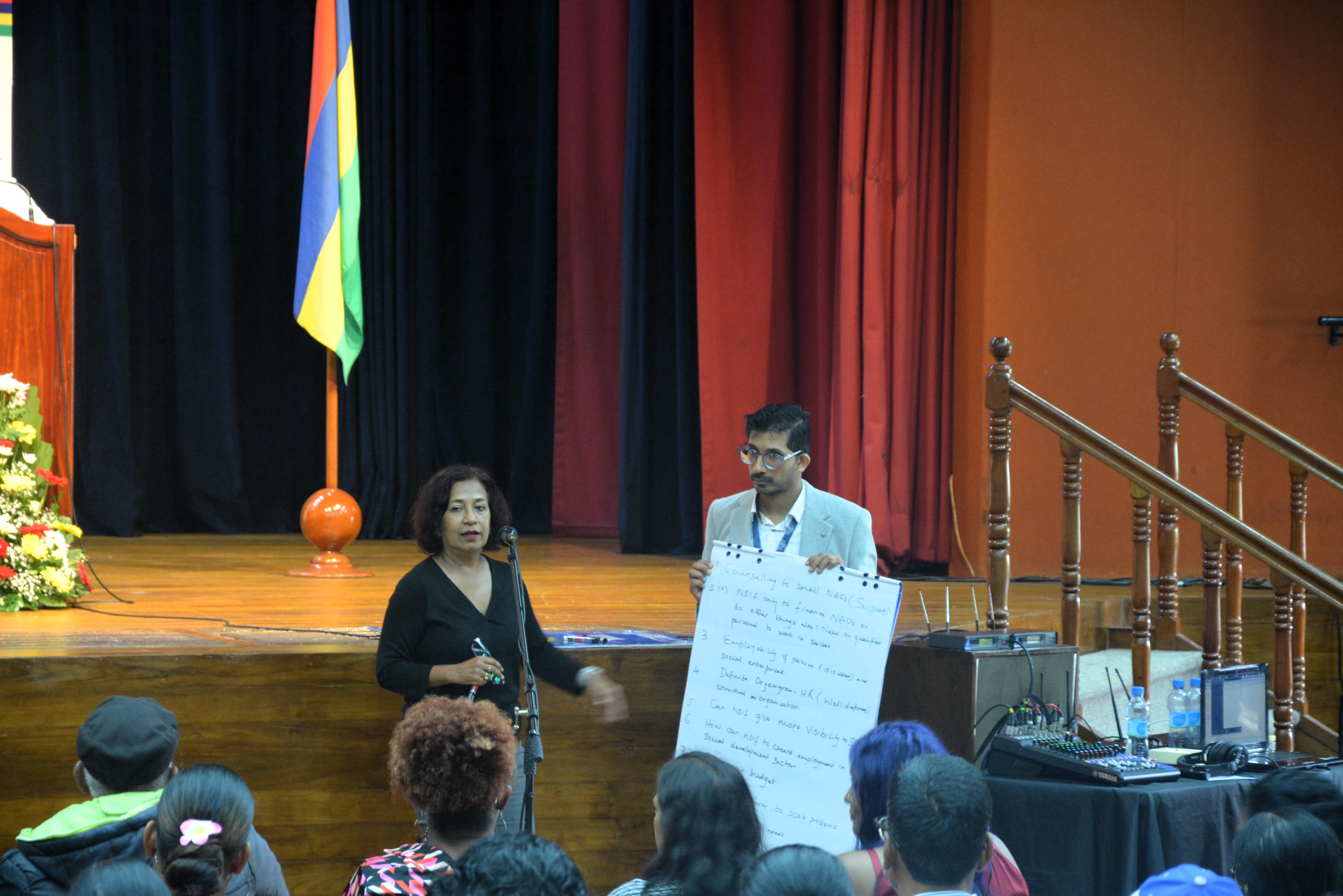
Collective Reflection: Presentation of Key Points from the Workshops
Following the breakout sessions, all participants reconvened in the main hall for a plenary presentation of the workshop outcomes. Representatives from each of the three parallel workshops shared a comprehensive list of discussion points—nearly 50 in total—that emerged during their respective sessions.
These points reflected a wide range of insights, concerns, and constructive suggestions, covering areas such as:
- Administrative improvements within NSIF’s operations
- Simplified funding application and reporting processes
- Greater outreach and support for new or small NGOs
- Transparency and timely communication
- Capacity-building opportunities for NGO staff
- Stronger collaboration mechanisms between NSIF and civil society
The presentation of these consolidated points sparked thoughtful dialogue, with several attendees contributing additional perspectives and offering potential solutions. The session served as a powerful demonstration of collective voice and collaborative problem-solving, with both government officials and NGO leaders committed to driving forward meaningful improvements.
YUVA’s Takeaway: Strengthening the NGO Ecosystem Together
YUVA is proud to have contributed to this dynamic and impactful event. The active participation of over 200 NGOs shows the immense strength and potential of civil society in Mauritius when brought together with a common purpose.
We commend the Ministry of Social Integration, Social Security and National Solidarity and NSIF for facilitating this important platform for dialogue, accountability, and shared learning. As always, YUVA remains dedicated to advancing social change and looks forward to continued collaboration in building a more inclusive and resilient society.

Leave a Comment