


Non-Governmental Organisations (NGOs) have become a vital part of the social, cultural, and economic fabric of Mauritius. In a nation renowned for its diversity, natural beauty, and rich heritage, NGOs play a pivotal role in addressing pressing issues such as poverty, education, health, youth empowerment, and environmental sustainability. Whether large or small, local or international, NGOs in Mauritius bridge the gap between government efforts and community needs, ensuring that no group is left behind.
This article explores everything you need to know about NGOs in Mauritius: what they are, why they matter, and how they shape the country’s development.
What is an NGO?
An NGO, or Non-Governmental Organisation, is an independent, non-profit group formed to address social, cultural, or environmental challenges. Unlike government bodies, NGOs are driven by a mission to create change without seeking financial profit. In Mauritius, NGOs are registered under the Registrar of Associations, giving them legal status to operate across different sectors of society.
From grassroots community groups to well-established organisations, NGOs provide services, advocacy, and initiatives that directly impact people’s lives.
The Role of NGOs in Mauritius
The importance of NGOs in Mauritius cannot be overstated. They act as both service providers and advocates, filling gaps where government and private sector initiatives may not fully reach. Key roles include:
- Supporting Vulnerable Communities: NGOs work with children, women, the elderly, and those facing economic hardship, offering assistance and empowerment opportunities.
- Promoting Education: Many NGOs provide free tutoring, scholarships, and programmes to enhance literacy and vocational skills.
- Health and Wellbeing: NGOs often run campaigns to raise awareness about mental health, HIV/AIDS, addiction, and lifestyle diseases.
- Youth Development: Mauritius has a vibrant youth population, and NGOs actively create leadership, mentorship, and employment opportunities for young people.
- Environmental Protection: With climate change and coastal erosion posing serious threats, NGOs promote sustainability, conservation, and eco-friendly practices.
Through these efforts, NGOs in Mauritius strengthen communities, giving voice to those who are often unheard.
Why NGOs Matter in Mauritian Society
Mauritius, while celebrated for its economic growth and political stability, still faces challenges such as inequality, unemployment, and social exclusion. NGOs bring innovation and flexibility to solving these issues. Unlike government institutions, NGOs are often closer to the communities they serve, allowing them to adapt quickly to emerging needs.
Moreover, NGOs foster volunteerism, encouraging citizens to contribute their time and skills towards the greater good. This culture of giving back strengthens social cohesion and nurtures a sense of belonging across diverse communities.
Key Sectors Where NGOs Operate
NGOs in Mauritius work across various sectors, each targeting specific challenges:
- Education and Skills Development – tutoring, scholarships, vocational training
- Healthcare and Wellness – awareness campaigns, counselling services, community health support
- Youth Empowerment – mentorship, training, employment readiness programmes
- Women’s Rights and Gender Equality – advocacy, legal support, capacity building
- Environmental Conservation – reforestation projects, waste reduction, ocean preservation
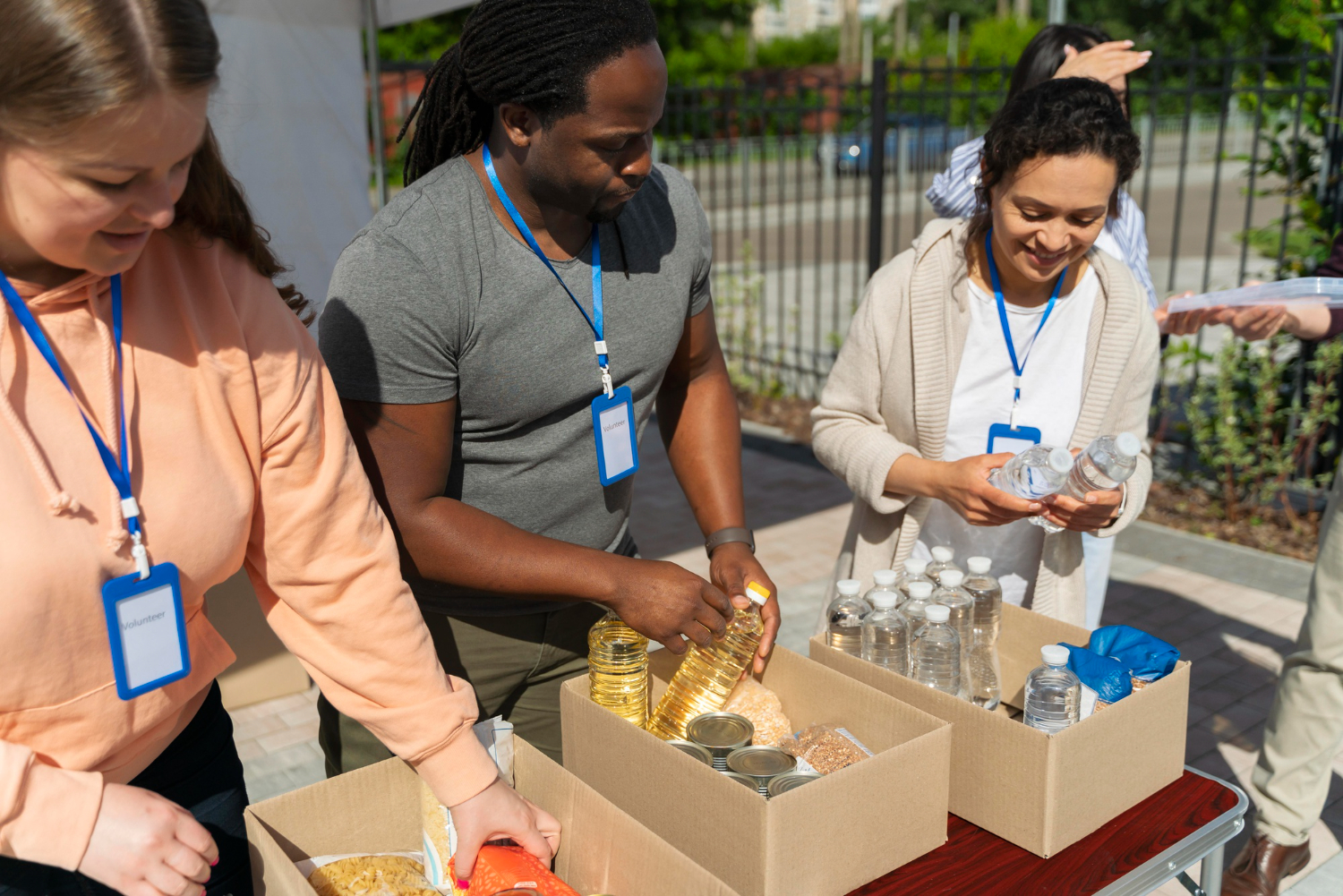
- Poverty Alleviation – food distribution, housing projects, income-generating activities
By working across these diverse fields, NGOs ensure that social progress touches every aspect of Mauritian life.
Success Stories of Mauritian NGOs
One of the most recognised NGOs in Mauritius is YUVA (Youth United in Voluntary Action). With a mission to empower young people and communities, YUVA has established itself as a leading organisation through projects in education, environment, health, and youth leadership. Its sustainable approach and measurable impact have gained recognition both locally and internationally.
Other NGOs also contribute significantly—whether through small community projects or large-scale initiatives—demonstrating that collective effort can lead to remarkable change.
Challenges Faced by NGOs in Mauritius
Despite their success, NGOs in Mauritius face several challenges:
- Funding Limitations: Many NGOs depend on donations and grants, which can be inconsistent.
- Capacity Building: Smaller NGOs often lack training and resources to operate effectively.
- Visibility: Some organisations struggle to showcase their impact, limiting their reach.
- Regulatory Requirements: Compliance with legal obligations can be a challenge for smaller groups with limited capacity.
Addressing these challenges requires collaboration between NGOs, government, and the private sector to ensure long-term sustainability.
The Future of NGOs in Mauritius
The future of NGOs in Mauritius looks promising. With growing recognition of their role in development, NGOs are likely to expand their reach and impact. Partnerships with international bodies, increased focus on sustainable development goals (SDGs), and greater use of technology will shape how NGOs operate in the coming years.
Young leaders in particular are stepping up to create innovative solutions for social and environmental issues, ensuring that NGOs remain dynamic and relevant in a rapidly changing world.
How to Get Involved
If you are inspired by the work of NGOs in Mauritius, there are many ways to get involved:
- Volunteer your time and skills
- Donate to support ongoing initiatives
- Partner as a business or organisation
- Spread awareness about NGO projects and campaigns
Your involvement, no matter how small, can help sustain the vital work that NGOs carry out daily.
Final thoughts
NGOs in Mauritius are not just organisations; they are lifelines for communities, voices for the voiceless, and engines of social progress. From education and healthcare to environmental protection and youth empowerment, their contributions are far-reaching and deeply transformative.
As Mauritius continues to evolve, NGOs will remain essential partners in shaping a fairer, healthier, and more sustainable society. Understanding their role is the first step to appreciating how much they enrich the nation.
Tereza Röslerová, Caritas College Olomouc – Communications Officer

Leave a Comment